


Beginner & Intermediate · 27 Days · Rishikesh
200 Hour Yoga Teacher Training in Rishikesh, India
Whether you came to deepen your own practice or to teach it, these twenty-seven residential days give you the whole of yoga — asana and the anatomy under it, pranayama, philosophy, mantra, and the craft of holding a room.
- Days, residential
- 27Days, residential
- Daily classes
- 9 hrsDaily classes
- Max batch size
- 15-18Max batch size
- Subjects covered
- 19Subjects covered
200 Hour Yoga Teacher Training in Rishikesh, India
27 days residential · Beginner & Intermediate
- Duration
- 27 Days
- Classes run
- 3rd to 26th, monthly
- Daily classes
- 9 Hours
- Batch size
- 15 to 18
- Teachers
- MA / PhD in Yoga Science
- Language
- English
- Module
- Residential
- Level
- Beginner & Intermediate
- Eligibility
- Age 16+, English
- Certification
- Yoga Alliance, RYS 200
- Fee includes
- Stay, Meals & Materials
Why Us
Why Students Choose This 200 Hour Training
Six things about this course that are published as a number or a name rather than as an adjective — and every one of them is something you can confirm for yourself today, before you speak to anybody here.
RYS 200
Registered at the level this course certifies
The school holds a Yoga Alliance RYS 200 registration, which is the level this course teaches. Graduates apply to Yoga Alliance as a Registered Yoga Teacher at 200 hours on the strength of the certificate this course issues.
12
Teachers you can look up before you book
Every one named, with the subject they lead, where they trained and how long they have taught — most holding an MA or a PhD in Yoga Science. You know who is taking your morning asana class before you pay, rather than on the first day.
19 subjects
One syllabus, not a timetable of guest classes
Asana, breath, philosophy, anatomy, teaching craft and ceremony inside a single structured 200 hours, taught by the same faculty across 27 days. The whole subject list is on this page, in full, before you enquire.
15 to 18
The size of the batch you will actually be in
Published as a number rather than described as small. A small group is the whole reason your alignment gets corrected by name instead of called across a hall.
One fee
Tuition, your room, and three meals a day
One payment covers the whole 27 days — every class, your room and three vegetarian meals a day — and what it does not cover is printed on this page in the same place: flights, your visa, and whatever you spend in Rishikesh.
15+ years
A school with a history you can check
More than three thousand students have already done the thing you are considering doing, from over thirty-seven countries, and this school has been teaching in Rishikesh for over fifteen years. Classes are taught in English throughout.
Every one of those is checkable before you speak to anybody here. So is the certificate this course issues: every one the school awards carries a code and a QR that anyone can verify against our public register, from anywhere, without asking us.
- All the Classes
- Accommodation
- 3 Times Meal
- Study Materials
- Certificate
- Other Activities
- Free Airport Pick-Up (DED)
- Yin & Kundalini Yoga Included
- Free Himalayan excursion
- Free Yoga Kit & Study Material
- Free Yoga Sutra Audio Lectures
Not a certification program alone — a transformational journey that nurtures the body, mind and soul.
Our 200 Hour Yoga Teacher Training in Rishikesh, India runs for 27 days and costs $999≈€999≈£899≈A$1,599≈C$1,399≈₹89,999 per person for a shared room. Every class, three vegetarian meals a day and your room for the whole course are inside that figure. The school is registered with Yoga Alliance at RYS 200, so graduates can apply to become a Registered Yoga Teacher at the 200 hour level.
This 200 hour yoga teacher training in Rishikesh is designed to awaken not only the body but also the mind and soul through authentic yogic practices, conscious living, and inner inquiry.
The program combines traditional yoga practices with contemporary teaching strategies, ensuring a thorough understanding of yoga's diverse aspects.
Our 200 hour yoga TTC Rishikesh is not only a certification program; it is a transformational journey that nurtures the body, mind, and soul, preparing you to share authentic Yoga wisdom with the world.
What the training actually looks like
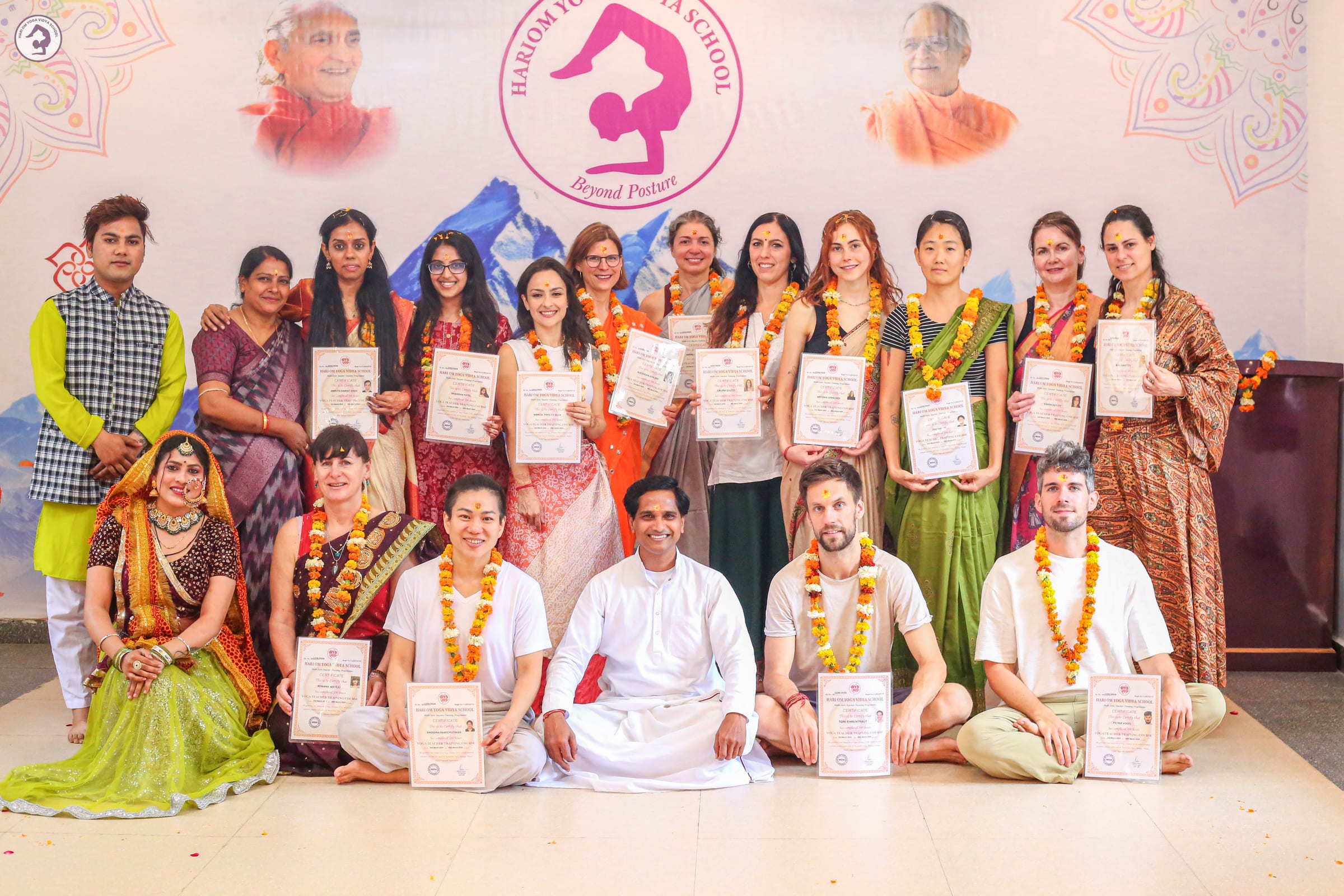
Photographs from our own hall and campus in Rishikesh — not stock pictures. Swipe through, and tap any one to see it larger.
Your Teachers
Who Will Be in the Room With You
A residential teacher training is bought on its teachers, so they are named here rather than three quarters of the way down the page. These are the faculty who lead the subjects this course teaches — their qualifications, their lineage and the years they have taught are all published.
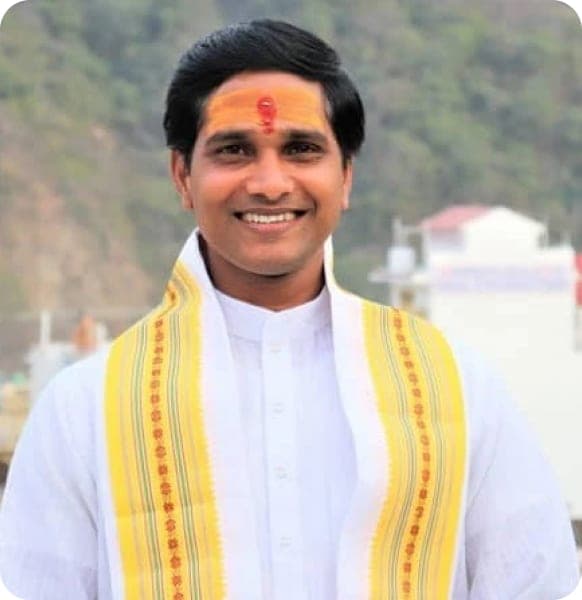
Yogi Pramod Sahoo
Founder
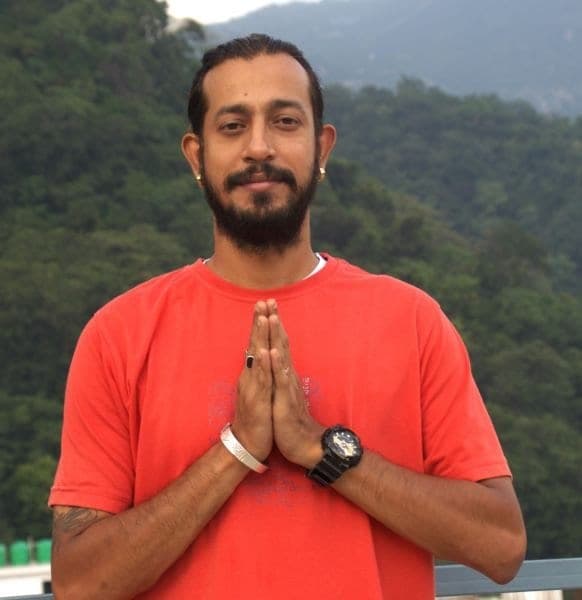
Barinder Pal Singh
Hatha Yoga, Ashtanga Yoga
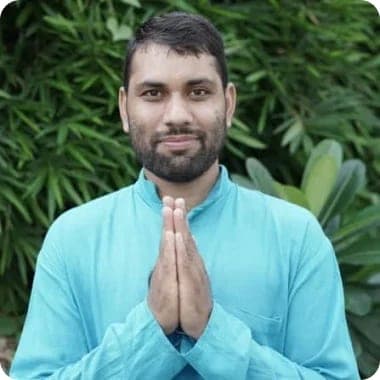
Yogi Lakhi Ram
Meditation, Pranayama
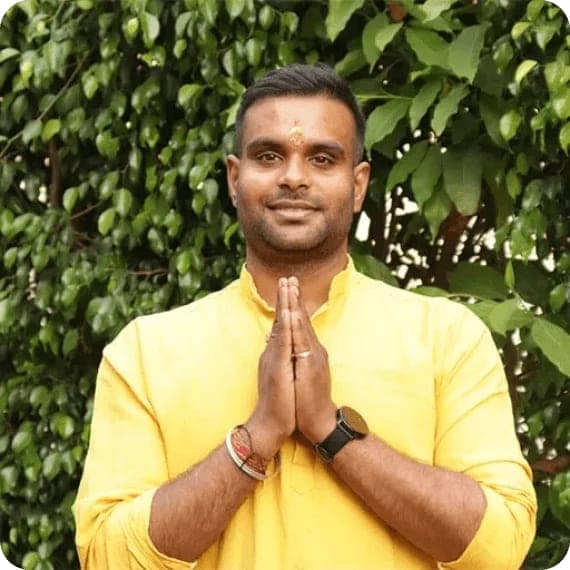
Yogi Kushagra
Head Teacher — Kundalini
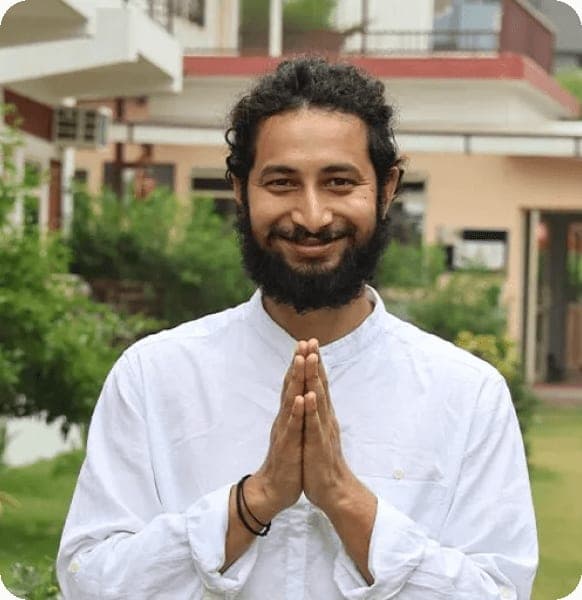
Yogi Abhishek Negi
Ashtanga Vinyasa Advanced
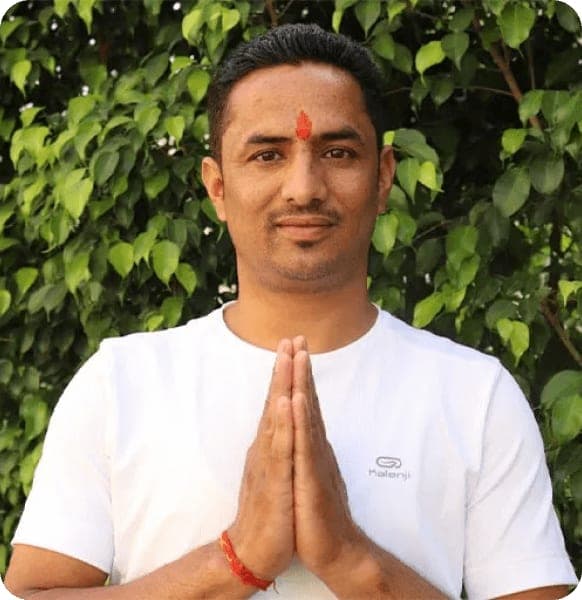
Yogi Devendra
Ashtanga, Vinyasa, Alignment

Kalpendra Chauhan Ji
Yoga, Spirituality
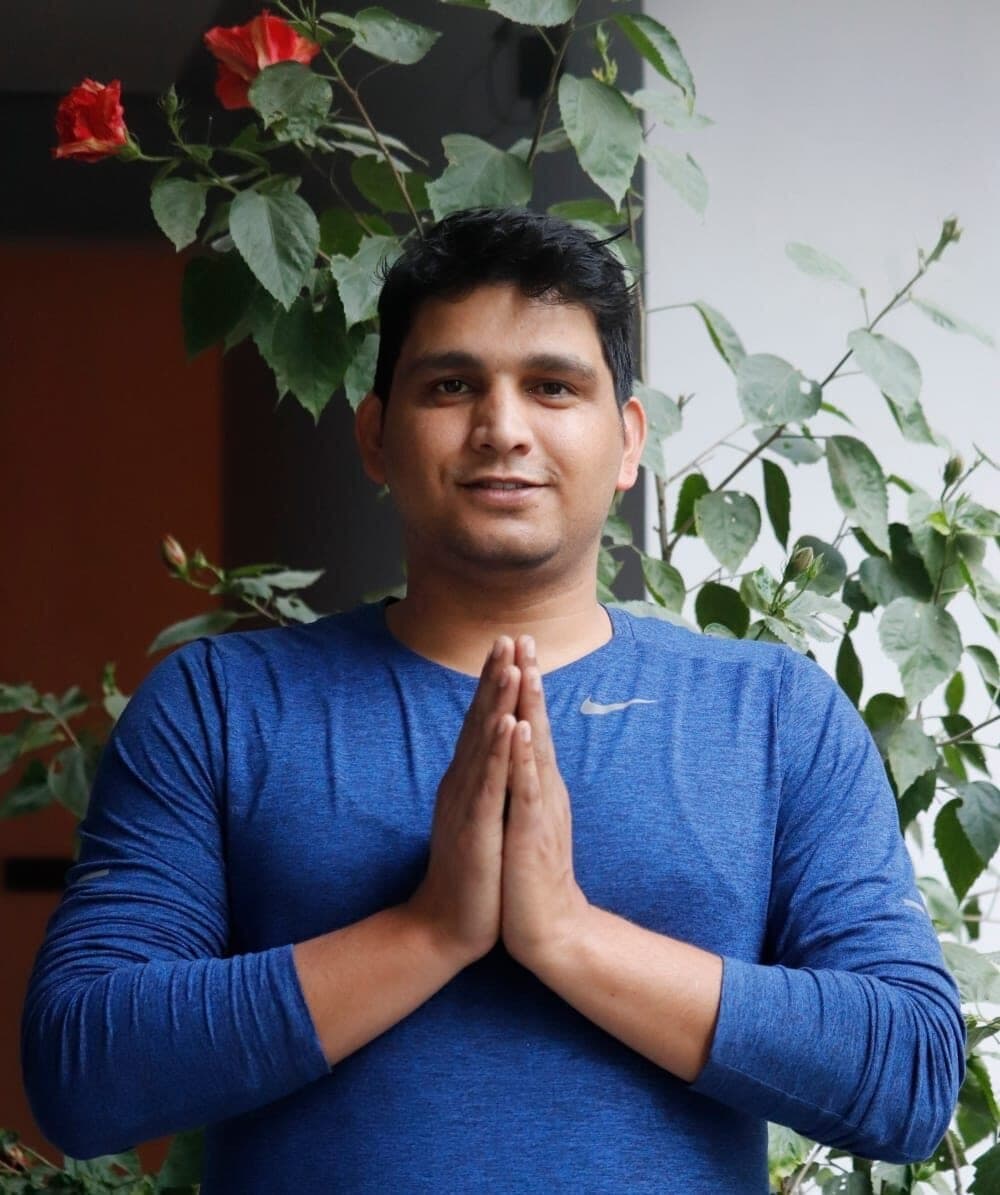
Yogi Ganesh Negi
Hatha Yoga
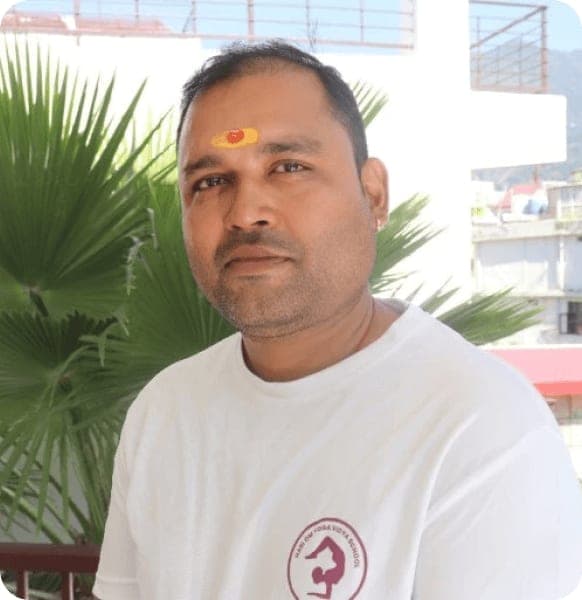
Kushal Bisht
Yoga Philosophy
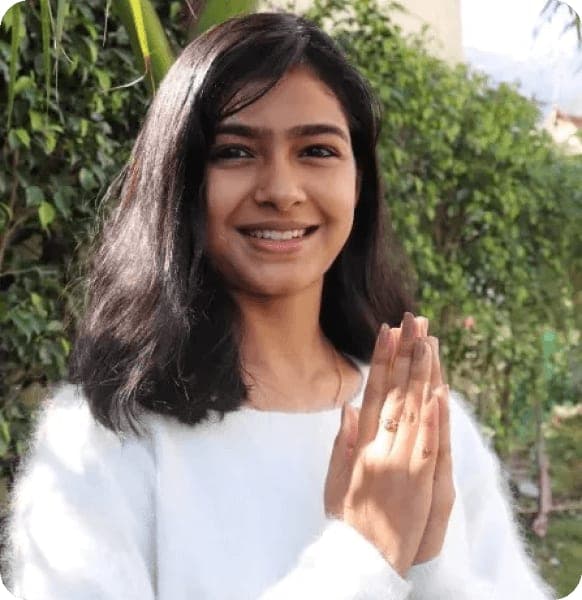
Yogini Pooja
Yoga Science, Meditation
Your Certificate
What you leave with
Not a PDF and a handshake. A numbered, verifiable certificate that a studio on the other side of the world can check against our records while you are still sitting in the interview.
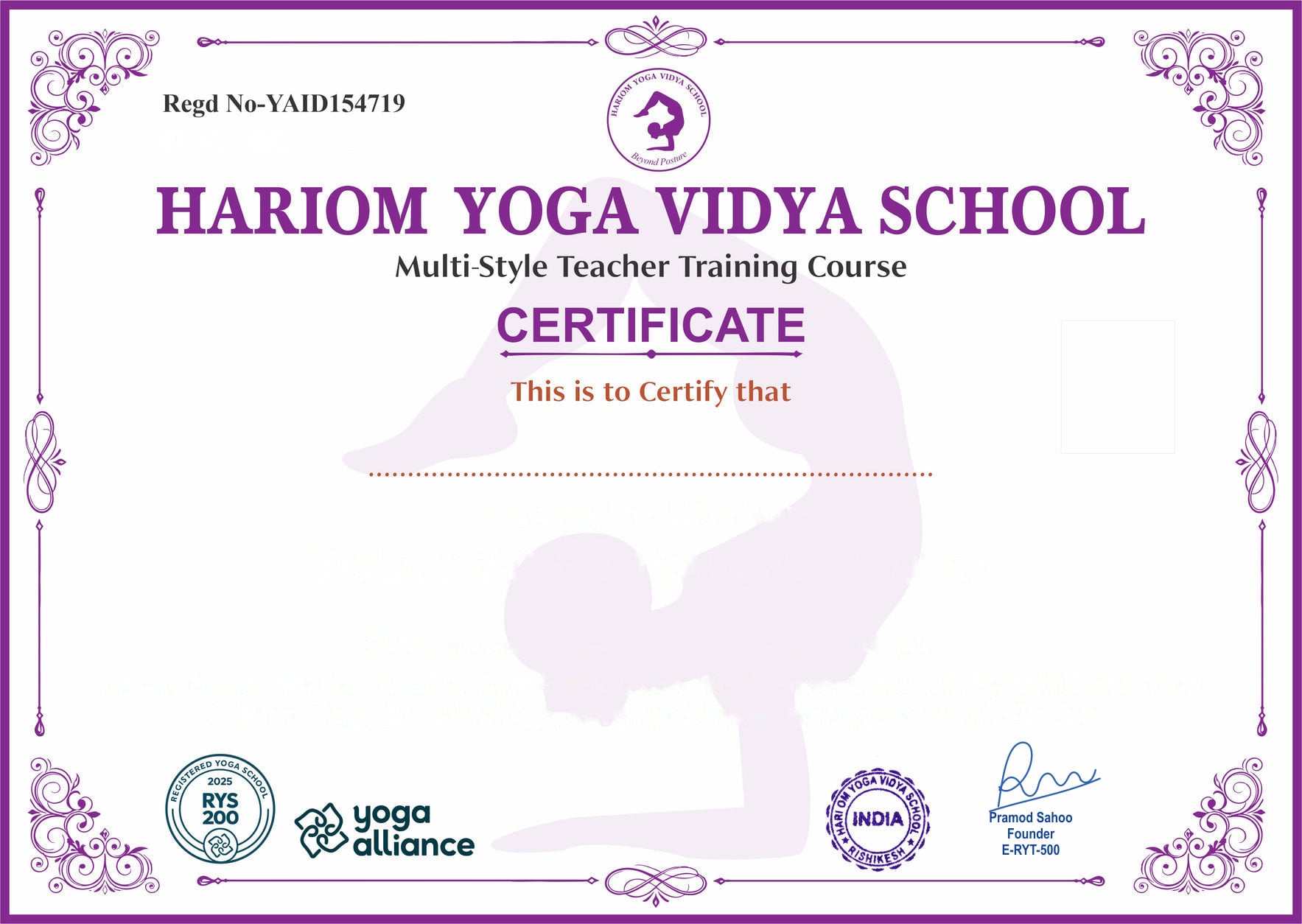 Cert No-HYVS-200-2026-K7Q4MANJANA KUMARhas successfully completed the 200 hourYOGA TEACHER TRAININGheld 2 – 28 March 2026, as perthe guidelines and standards of Yoga Alliance, USA, which involved extensive practice and study of Hatha Yoga, Kundalini Yoga, Ashtanga Vinyasa, Pranayama and Meditation.SCAN TO VERIFY
The school's own certificate, shown with a specimen name, number and signature — that number matches no record, the code on it opens this page rather than anyone's, and the signature is a stand-in. Yours carries your name, your photograph, your batch dates, a number that is yours alone, and the founder's own signature.
What is on the face of it
Six things are printed on every certificate this school issues, and each of them is there so that somebody who has never heard of us can still act on it.
- 01
The Yoga Alliance seal
Bottom left, beside the Yoga Alliance mark itself: the seal of a Registered Yoga School. Hariom Yoga Vidya School holds RYS 200, RYS 300 and RYS 500, and each certificate carries the seal for the level its training was run at.
- 02
Registration number YAID154719
Printed top left, on every certificate the school has ever issued. It is the school's own Yoga Alliance registration, and it can be looked up in the Yoga Alliance directory by anybody who wants to check us rather than the certificate.
- 03
A certificate number that is yours
Directly beneath it, in the form HYVS-200-2026-K7Q4M. The hours, the year and five characters drawn at random — thirty-three million possibilities per course, per year, so nobody guesses their way to a valid one.
- 04
A QR code that says SCAN TO VERIFY
Along the foot of the certificate. A phone camera opens our verification page for that exact certificate — no app, no typing, and no need to contact the school at all.
- 05
Your photograph, and the founder's signature
The portrait sits in the frame on the right and is printed into the document rather than stuck on afterwards. The signature is that of the school's founder, Yogi Pramod Sahoo, E-RYT 500, beside the school's Rishikesh seal.
- 06
Printed, not emailed as a template
Every certificate is generated from the school's own artwork with the type set into it, so the document a graduate is handed and the record in our register are made in the same moment, from the same data.
Two ways to check one
Scan the QR code
Point a phone camera at the code on the foot of the certificate. It opens the record for that certificate directly — nothing to type.
Or type the certificate number
Go to /verify-certificate and enter the number printed under the registration number, top left. Same record, same answer, and it works from a photocopy or a number read out over the phone.
Scan it, and it checks out
Every certificate carries a QR code pointing at our own records. A studio, retreat center or insurer can confirm in seconds that we issued it, for that course, on that date — without emailing us and waiting three days for a reply.
A number that is yours alone
The certificate number is unique to you and printed on the face of the certificate, top left, directly under the school's Yoga Alliance registration number. Nobody can guess it: the last five characters are drawn at random from an alphabet that makes thirty-three million codes per course, per year. It is the only thing anyone needs in order to check your training.
Registered with Yoga Alliance
Hariom Yoga Vidya School is a Yoga Alliance Registered Yoga School at RYS 200, RYS 300 and RYS 500. Graduates of the 200 and 300 hour trainings can register directly as RYT 200 and RYT 500 teachers worldwide.
Why Hariom
Why Choose Our 200 Hour Yoga Teacher Training in Rishikesh
What students tell us made the difference.
Teachers who have done the work
Eight trainers, most holding an MA or PhD in Yoga Science, teaching the practice they keep themselves.
Tradition, taught in plain English
Ancient method paired with contemporary teaching strategy, so the reason behind a practice lands with the practice.
Rishikesh, on the Ganga
You train where yoga is from — one of the few settings built entirely around undistracted practice.
Nineteen subjects, one syllabus
Asana, breath, philosophy, anatomy and teaching craft inside a single structured 200-hour course.
A batch of fifteen, not fifty
Small groups mean your alignment gets corrected by name.
You live where you train
Every class, three vegetarian meals a day and your room for all 27 days are part of the course, so the training is the only thing you have to arrange.
Curriculum
200 Hour Yoga Teacher Training Rishikesh: The Full Syllabus
19 subjects across the full 200-hour syllabus — open any to see what it covers.
Subject 01 of 19
Hatha Yoga
Classical asana, family by family: the joint warm-up that opens every morning class, then the standing, sitting, prone, supine and relaxing postures, and the inversions. Each one named in Sanskrit and in English.
Hatha is the spine of the course and the first class of every day, at half past six. You build the classical postures a few at a time, with the alignment, the counter-pose and the anatomy taught alongside each one rather than after all of them. It is the strand most of the teaching practice comes out of, because a Hatha class is what most studios will ask you to lead first.
- Six steps of practicing an asana meditatively: centering, entering, refining, holding, coming out, reflection
- Why the warm-up comes first — range of motion, posture and injury prevention
- Sequencing, counter-poses and how to build a class from this list
- Preparatory movements and progression towards the advanced postures
Joint & Glands Movement, and Warm-Up10
Pawanmuktasana part one — the sequence every morning class opens with, freeing each joint in turn before any standing posture is attempted.
- Ankle Bending
- Ankle Rotation
- Janu Naman (Knee Bending)
- Ardha Titli Asana (Half Butterfly)
- Poorna Titli Asana (Full Butterfly)
- Skandha Chakra (Shoulder Socket Rotation)
- Kehuni Naman (Elbow Bending)
- Mani Bandha Naman (Wrist Bending)
- Mani Bandha Chakra (Wrist Joint Rotation)
- Greeva Sanchalana (Neck Movement)
Surya Namaskar5
- The twelve positions, in sequence
- Breath coordination through the round
- The mantra for each position
- Modifications for a beginner's body
- Teaching Surya Namaskar to a class
Standing Poses11
- Tadasana (Palm Tree Pose)
- Tiryaka Tadasana (Swaying Palm Tree Pose)
- Kati Chakrasana (Waist Twisting Pose)
- Trikonasana (Triangle Pose)
- Parivritta Trikonasana (Twisted Triangle Pose)
- Virabhadrasana I (Warrior A)
- Virabhadrasana II (Warrior B)
- Virabhadrasana III (Warrior C)
- Vrikshasana (Tree Pose)
- Ardha Chandrasana (Half Moon Pose)
- Saral Natarajasana (Lord Shiva's Pose)
Sitting Poses6
- Paschimottanasana (Back Stretching Pose)
- Janu Sirsasana (Head to Knee Pose)
- Bhu Namanasana (Greeting to the Earth)
- Ardha Matsyendrasana (Half Spinal Twist)
- Parivritta Janu Sirsasana (Twisted Head to Knee Pose)
- Gomukhasana (Cow Face Pose)
Prone Position and Back Bending6
- Saral Bhujangasana (Easy Cobra Pose)
- Bhujangasana (Cobra Pose)
- Sarpasana (Snake Pose)
- Ardha Shalabhasana (Half Locust Pose)
- Saral Dhanurasana (Easy Bow Pose)
- Ustrasana (Camel Pose)
Supine Position7
- Padottanasana (Raised Legs Pose)
- Pada Chakrasana (Leg Rotation)
- Pada Sanchalanasana (Cycling)
- Naukasana (Boat Pose)
- Salamba Sarvangasana (Supported Shoulder Stand)
- Halasana (Plough Pose)
- Matsyasana (Fish Pose)
Relaxing Poses6
- Pawanmuktasana (Wind Relieving Pose)
- Balasana (Child Pose)
- Shashankasana (Hare Pose)
- Marjariasana (Cat and Cow Pose)
- Makarasana (Crocodile Pose)
- Shavasana (Corpse Pose)
Advanced Poses4
Introduced with their preparation and their alternatives. Nobody is expected to arrive able to do them.
- Hanumanasana (Hanuman Pose)
- Bakasana (Crane Pose)
- Sirsasana (Headstand), and its preparation
- Inversions and how to approach them safely
Subject 02 of 19
Ashtanga Vinyasa
The Primary Series in its traditional order — seventy-two postures from Samasthitih through to Shavasana — built up across the month rather than handed over at once.
The dynamic half of the timetable, taught in the late afternoon when the body is warm. Ashtanga Vinyasa links breath to movement in a set sequence — sun salutations A and B, then the standing, sitting and finishing series — and it is where ujjayi breath, bandha and drishti stop being vocabulary and start being something you do. Taught in the Krishnamacharya and Pattabhi Jois lineage.
- Ujjayi breathing, bandha awareness and drishti as things you do, not vocabulary
- Vinyasa — linking asana to breath, and the transitions between them
- Introduction to Mysore-style self-practice
- How to introduce a beginner to the series without handing them all of it
Opening & Sun Salutations10
- Samasthitih (Equal Standing)
- Urdhva Hastasana (Upward Hands Pose)
- Uttanasana (Standing Forward Fold)
- Ardha Uttanasana (Half Standing Forward Fold)
- Chaturanga Dandasana (Four-Limbed Staff Pose)
- Urdhva Mukha Svanasana (Upward-Facing Dog)
- Adho Mukha Svanasana (Downward-Facing Dog)
- Utkatasana (Chair Pose)
- Virabhadrasana A (Warrior I)
- Virabhadrasana B (Warrior II)
Standing Sequence14
- Padangusthasana (Big Toe Pose)
- Padahastasana (Hand Under Foot Pose)
- Utthita Trikonasana (Extended Triangle Pose)
- Parivrtta Trikonasana (Revolved Triangle Pose)
- Utthita Parsvakonasana (Extended Side Angle Pose)
- Parivrtta Parsvakonasana (Revolved Side Angle Pose)
- Prasarita Padottanasana A (Wide-Legged Forward Fold A)
- Prasarita Padottanasana B (Wide-Legged Forward Fold B)
- Prasarita Padottanasana C (Wide-Legged Forward Fold C)
- Prasarita Padottanasana D (Wide-Legged Forward Fold D)
- Parsvottanasana (Pyramid Pose)
- Utthita Hasta Padangusthasana A (Extended Hand-to-Big-Toe A)
- Utthita Hasta Padangusthasana B (Extended Hand-to-Big-Toe B)
- Ardha Baddha Padmottanasana (Half-Bound Lotus Forward Fold)
Seated Primary Series20
- Dandasana (Staff Pose)
- Paschimattanasana A, B, C and D (Seated Forward Fold)
- Purvottanasana (Upward Plank)
- Ardha Baddha Padma Paschimattanasana (Half-Bound Lotus Forward Fold)
- Tiryang Mukha Eka Pada Paschimattanasana (Three-Limbed Forward Fold)
- Janu Sirsasana A, B and C (Head-to-Knee Pose)
- Marichyasana A, B, C and D (Sage Marichi Pose)
- Navasana (Boat Pose)
- Bhujapidasana (Shoulder-Pressure Pose)
- Kurmasana (Tortoise Pose)
- Supta Kurmasana (Sleeping Tortoise Pose)
- Garbha Pindasana (Embryo-in-the-Womb Pose)
- Kukkutasana (Rooster Pose)
- Baddha Konasana A and B (Bound Angle Pose)
- Upavistha Konasana A and B (Seated Wide-Angle Pose)
- Supta Konasana (Reclining Wide-Angle Pose)
- Supta Padangusthasana (Reclining Hand-to-Big-Toe Pose)
- Ubhaya Padangusthasana (Both Big Toes Pose)
- Urdhva Mukha Paschimattanasana (Upward-Facing Forward Fold)
- Setu Bandhasana (Bridge Pose)
Finishing Sequence14
- Urdhva Dhanurasana (Upward Bow / Wheel Pose)
- Salamba Sarvangasana (Supported Shoulderstand)
- Halasana (Plough Pose)
- Karnapidasana (Ear Pressure Pose)
- Urdhva Padmasana (Upward Lotus Pose)
- Pindasana (Embryo Pose)
- Matsyasana (Fish Pose)
- Uttana Padasana (Extended Leg Pose)
- Sirsasana (Headstand)
- Baddha Padmasana (Bound Lotus Pose)
- Yoga Mudra (Yoga Seal)
- Padmasana (Lotus Pose)
- Utpluthih (Lifted Lotus)
- Shavasana (Final Relaxation)
Subject 03 of 19
Yin Yoga
Held postures, three to five minutes at a time, working the connective tissue instead of the muscle. The one class on the timetable where nothing is repeated and nothing is counted.
Long, still, floor-based holds that reach the connective tissue rather than the muscle, taught alongside mantra chanting in the mid-morning class. Yin is the counterweight to a nine-hour day of Hatha and Ashtanga, and it is the style graduates most often end up teaching to students who cannot take a vigorous class.
- The difference between a yin and a yang practice, and why both are on the timetable
- Compression and tension — why one body stops where another does not
- Finding the appropriate edge, and staying still with awareness
- Props: blocks, bolsters, blankets and straps
- Rebound, counter-poses and how long a hold should be
- Sequencing a balanced Yin class, and teaching it
Yin Postures Taught17
- Butterfly
- Half Butterfly
- Caterpillar
- Dragon
- Sleeping Swan
- Shoelace
- Square
- Saddle
- Half Saddle
- Sphinx
- Seal
- Child's Pose
- Melting Heart
- Supported Fish
- Supine Twist
- Legs-Up-the-Wall
- Final Relaxation
Target Areas6
- Hip-opening practices
- Forward-bending practices
- Back-opening practices
- Twisting practices
- Shoulder and upper-body practices
- Restorative and mindfulness elements
Subject 04 of 19
Kundalini Yoga
The subtle-body half of the syllabus: prana, the nadis, the seven chakras and the Tantra behind them — studied as the tradition presents them, symbolically, rather than as anatomy.
The most contemplative strand, and the one students least expect to find on a 200 hour course. Kundalini works with breath, mantra and kriya rather than with shape, moving through the chakras and nadis from Muladhara upward. It is taught mid-morning, daily, with the safety guidelines that belong to it — which practices to leave alone, and when.
- Prana: the vital force, and its relationship with the breath
- Nadis — Ida, Pingala and Sushumna — as the subtle-body framework, not as anatomy
- Kundalini Shakti in the traditional understanding, without promising an experience
- Tantra: Shiva and Shakti, mantra, yantra, and what Tantra is not
- Which practices to leave alone, and when
The Seven Chakras7
Each studied with its traditional location, element, symbol, bija mantra and the qualities the tradition associates with it.
- Muladhara — the root, Earth
- Svadhisthana — the sacral center, Water
- Manipura — the navel center, Fire
- Anahata — the heart center, Air
- Vishuddha — the throat center, Ether
- Ajna — the brow center, the command
- Sahasrara — the crown, beyond the elements
Kundalini Practices8
- Breath awareness and pranic awareness
- Bija mantra
- Mudra and bandha in a kundalini context
- Chakra meditation, opening and balancing
- So-Ham meditation
- AUM meditation
- Guided kundalini meditation
- Concentration practices and introduction to kundalini sadhana
Subject 05 of 19
Pranayama
The fourth limb of Patanjali's Ashtanga, and the bridge between the body and the mind. Correct breathing comes first; the classical techniques follow, each taught with its benefit, its ratio and its contraindication.
- Inhalation, exhalation, and Kumbhaka — breath retention
- Antara and Bahya kumbhaka, and the 1:1:2 ratio
- Preparation, sequencing and when a technique should not be practiced
- Pranayama as preparation for meditation
Foundation Breathing6
- Natural breathing awareness
- Abdominal breathing
- Thoracic breathing
- Clavicular breathing
- Full Yogic breathing
- Breath observation
Classical Pranayama9
- Nadi Shodhana (Alternate Nostril Breathing)
- Surya Bhedana (Right Nostril Breathing)
- Chandra Bhedana (Left Nostril Breathing)
- Kapalabhati (Skull Shining Breath)
- Bhastrika (Bellows Breath)
- Ujjayi (Ocean Breath)
- Bhramari (Humming Bee Breath)
- Sheetali (Cooling Breath)
- Sheetkari (Hissing Breath)
Subject 06 of 19
Satkarma
The traditional cleansing practices, introduced carefully and progressively — as part of the Hatha Yoga system rather than as a wellness trend. Some are practiced under supervision; one is taught by demonstration only.
- The traditional purpose of each kriya, and its place in Hatha Yoga
- Preparation, correct technique and hygiene
- When a practice should be avoided entirely
- Why none of these is a treatment for a medical condition
Practices Taught5
- Jala Neti (nasal cleansing with water)
- Sutra Neti — introduced by demonstration and discussion, not performed unsupervised
- Kunjal Kriya / Vamana Dhauti
- Trataka (concentrated gazing)
- Kapalabhati as a cleansing kriya
Subject 07 of 19
Bandhas
The energy locks: conscious engagement that holds and directs prana. Each is built from awareness first and effort second, and each is taught in its relationship with the breath rather than as a muscular trick.
- Bandha in asana, in pranayama, in mudra and in meditation
- Why bandha is most effective held with kumbhaka
- Developing awareness without excessive physical tension
- Contraindications: pregnancy, hernia, cardiovascular conditions, recent surgery
- How to introduce bandha to a beginner, and when not to
The Four Bandhas4
- Mula Bandha (Root Lock) — the pelvic floor, and the relationship of prana and apana
- Uddiyana Bandha (Abdominal Lock) — the lift, on exhalation and retention
- Jalandhara Bandha (Throat Lock) — chin, chest and spine in pranayama
- Maha Bandha (The Great Lock) — the three coordinated, under guidance
Subject 08 of 19
Mudra - Gesture
Gestures that channel prana through the body, simple enough to take home. In Ayurveda each finger carries one of the five mahabhutas — fire, earth, air, water, ether — so a gesture can raise or lower the flow to a given part of you.
- How gesture, breath and attention interact
- Guidelines for practice: which hand, how long, how often
- Using mudra to support pranayama and meditation
Mudras Taught9
- Jnana Mudra
- Chin Mudra
- Hridaya Mudra
- Shambhavi Mudra
- Yoga Mudra
- Maha Mudra
- Kaki Mudra
- Ashwini Mudra
- Viparita Karani Mudra
Elemental Mudras6
The five-element hand gestures from the school's own manual, taught with what each one is traditionally used for.
- Gyan Mudra
- Vayu Mudra
- Akash Mudra
- Indra Mudra
- Pran Mudra
- Udaan Mudra
Subject 09 of 19
Meditation
A survey of methods rather than a single technique, so you leave with more than one way to sit with your own mind — and more than one way to offer it to a student who cannot sit still.
- What meditation is, and what it is not
- Preparation, posture and how to sit comfortably for long enough
- Dharana and dhyana — concentration becoming absorption
- The obstacles, and building a practice that survives them
- How to guide a basic meditation session
Methods Practiced15
- Breath awareness meditation
- Vipassana, including the Vipassana walk
- So-Ham meditation
- AUM / Om meditation
- Mantra and Gayatri mantra meditation
- Trataka (candle gazing)
- Chakra meditation — opening and balancing
- Kundalini meditation
- Active and dynamic meditation
- Dancing meditation
- Whirling meditation
- Catharsis meditation
- Bhramari (Tibetan) meditation
- Guided meditation
- Silence, witness consciousness and the awareness of thought
Subject 10 of 19
Yoga Nidra
Yogic sleep: the body still, the mind awake and moving through stages of awareness. It is not a long shavasana — it is a structured practice with its own sequence, and it is the bridge between deep relaxation and meditation.
- How Yoga Nidra differs from sleep, and from relaxation
- Why the practice settles the nervous system, in plain terms
- Observing a sensation without reacting to it
- Learning to guide a session with your own voice, and pacing it
The Stages9
- Preparation and settling
- Physical relaxation
- Sankalpa — the resolve
- Rotation of consciousness through the body
- Breath awareness
- Awareness of sensation and of opposites
- Visualization
- 61 Points Relaxation
- Inner observation, and returning
Subject 11 of 19
Mantra Chanting
Sanskrit sound practice, used every day to open and close the Hatha class and to settle attention before it. Taught as part of the pranayama class, with the meaning behind the syllables rather than only the sound.
- What a mantra is, and the meaning of AUM
- The opening and closing chants used daily at the school
- Gayatri Mantra and the Guru Mantra
- Bija mantras, and the chakra mantras
- Japa — repetition, and mantra meditation
- Pronunciation, rhythm and why both matter
Subject 12 of 19
Yoga Philosophy
The framework the practice sits inside. Not philosophy as theory — the Yamas and Niyamas are studied as things you are asked to live in the school for twenty-seven days, and the Sutras are read against your own experience of the mat.
- What yoga is, where it came from, and the types of yoga
- Written work and a closing examination
Patanjali's Yoga Sutras8
- Chitta and the vrittis — the mind, and its movements
- Abhyasa and Vairagya — practice and non-attachment
- The five Kleshas
- Karma and Samskara
- The eight limbs of Ashtanga Yoga
- Pratyahara — withdrawal of the senses
- Dharana, Dhyana and Samadhi
- Kaivalya, and the obstacles on the path
The Five Yamas5
- Ahimsa — non-violence
- Satya — truthfulness
- Asteya — non-stealing
- Brahmacharya — responsible use of energy
- Aparigraha — non-possessiveness
The Five Niyamas5
- Shaucha — purity
- Santosha — contentment
- Tapas — discipline
- Svadhyaya — self-study
- Ishvara Pranidhana — surrender
Traditional Frameworks5
- The Panch Koshas — the five sheaths
- The five Pranas — prana, apana, samana, udana, vyana
- The three Gunas — sattva, rajas, tamas
- The aim of Hatha Yoga, and its classical texts
- The yogic diet, and a yogic way of living
Subject 13 of 19
Anatomy & Physiology
What lies beneath your hands. Enough functional anatomy to know why a posture is unsafe for one student and fine for another — taught for injury prevention and honest modification, not as a medical qualification.
- Why a teacher needs it: injury prevention, appropriate adjustment, working with different body types
- Understanding the origin of a movement
- Explaining a modification to a student in language they trust
Systems Studied8
- The skeletal system — bone types, and what the skeleton does
- The spine and core — the four regions, discs, and the rib cage
- The nervous system — central, peripheral, somatic and autonomic
- The muscular system — how muscles work in pairs
- Joints and movements — the planes a body actually moves in
- The cardiovascular system
- The respiratory system, and the mechanics of the breath
- The digestive system
Subject 14 of 19
Alignment, Correction & Adjustment
The technical core of teaching safely: how to read a body across the room, and how to change what it is doing with a word or a hand. Alignment here is functional — what this body needs — rather than one shape everybody is pushed towards.
- Alignment versus forcing a posture
- Individual anatomical differences, and stability against mobility
- Common alignment mistakes, and the preparatory movement that fixes each
- Alignment in Surya Namaskar, in balances and in inversions
What You Learn to Read10
- Foundation and grounding
- Foot and ankle alignment
- Knee tracking
- Hip and pelvic positioning
- Spinal alignment
- Shoulder positioning
- Wrist and hand placement
- Neck and head position
- Core engagement and weight distribution
- Breath coordination, drishti and bandha awareness
Adjusting and Correcting8
- The difference between an adjustment and a correction
- Observation before correction, always
- Verbal cue versus physical adjustment
- Student consent, and respecting personal boundaries
- Teacher positioning, and safe application of pressure
- One correction at a time, given positively
- Knowing when not to correct at all
- Using props instead of hands
Modification6
- Offering accessible variations
- Reducing range of movement, and modifying intensity
- Preparatory postures as a route in
- Working with limited flexibility or balance
- Modifying a transition, not only a posture
- Understanding when a posture should not be attempted
Subject 15 of 19
Teaching Methodology
How to actually run a room. Observe, prepare, teach, take the feedback, improve, teach again — and by the end of the month you will have stood in front of the group and led it.
- The qualities and the responsibility of a yoga teacher
- Voice, presence and clear verbal instruction
- Demonstration, and when to stop demonstrating
- Teacher-student relationship, and professional conduct
Planning a Class7
- Class objectives, and writing a plan
- Opening and centering
- Warm-up and preparation
- Main practice and peak posture
- Counter-poses and cooling down
- Relaxation, and closing the class
- Timing and pacing
Sequencing6
- Logical progression, and preparing the body for what is coming
- Balancing strength with flexibility
- Balancing active practice with restorative practice
- Beginner, intermediate and mixed-level sequencing
- Hatha sequencing, Ashtanga-inspired sequencing, Yin sequencing
- Sequencing pranayama and meditation, not only asana
Managing a Room6
- Teaching to the beginner in the room
- Managing different levels in one class
- Reading the energy of a group
- Handling nervous beginners, and supporting a student who is struggling
- Managing questions, and managing time
- Creating an inclusive and respectful environment
Practice Teaching8
You teach each of these to your own batch, and are given feedback on it.
- Teaching Hatha Yoga, and teaching Surya Namaskar
- Teaching Ashtanga Vinyasa
- Teaching Yin Yoga
- Teaching kundalini practices
- Teaching pranayama, mudra and bandha
- Teaching meditation and Yoga Nidra
- Teaching relaxation
- Receiving feedback, and self-evaluation
Subject 16 of 19
Yogic Lifestyle & Ethics
Twenty-seven residential days are the practice: the discipline, the silence, the shared meals and the early mornings are not the setting for the course, they are part of it. Alongside that, what is expected of you once you are the one teaching.
- Discipline, moderation, silence and self-observation
- Mindful eating, and the yogic diet in practice
- Simplicity, gratitude and positive communication
- Ethics for a yoga teacher, and appropriate touch
- Recognizing a student's discomfort
- Professional development, and registering with Yoga Alliance
Subject 17 of 19
Fire & Flower Ceremonies
The havan that opens the course, and the flower mandala laid out for it — marigolds on the grass, the tilak, and the batch sitting round the kund making offerings into the fire.
- The traditional havan at the school
- Laying the Om and the mandala in flower petals
- Receiving the tilak
- No prior experience assumed
Subject 18 of 19
Himalayan Excursion
A guided day out of the school and into the foothills: sacred sites, a walk, and a change of altitude mid-course.
- Temple and ashram visits
- Guided hikes above the valley
- Local culture and community
- Included in the course fee
Subject 19 of 19
Cultural Program & Certificate Ceremony
The closing days: an evening of Indian music, dance and food, then certificates handed over in front of your batch.
- Live music and dance
- Students invited to take part
- Regional cuisine
- Yoga Alliance certificate awarded
A Day in the Ashram
Daily Schedule of the 200 Hour Yoga TTC Rishikesh
From the first class at half past six to silence at nine — structured, but never rushed. Point at any part of the ring to see what it is.
6:30 AM
the day starts · ends 9 PM
Hover or tap a part of the day
- 06:30-08:00 AMHatha Yoga & Alignment
- 08:30-09:15 AMBreakfast
- 09:30-10:30 AMYin Yoga
- 10:30-11:30 AMKundalini & Tantra Yoga
- 11:30 AM-01:00 PMMeditation, Pranayama, Mudra, Bandha & Shatkarma
- 01:00-01:45 PMLunch
- 02:00-03:00 PMYoga Philosophy
- 03:00-04:00 PMAnatomy, Alignment & Teaching Methodology
- 05:30-07:00 PMAshtanga Vinyasa Practice
- 07:00-07:45 PMDinner
- 08:00-09:00 PMAssignments / Self-Study
- 09:00 PM onwardsRest & Silence
- Asana & movement
- Pranayama & meditation
- Philosophy & study
- Meals & rest
- Free / self-study
Board & Lodging
Food and Accommodation During the Course
Both are part of the fee. Neither is an afterthought.

Food as Medicine
Sattvic Vegetarian Meals
Our yoga school serves three nourishing vegetarian meals daily, prepared with fresh, locally-sourced ingredients.
These Sattvic meals support your yoga practice by promoting health and clarity through a balanced diet of vegetables, grains, fruits, and herbal teas.
Where You'll Stay
Cleanliness Standards
Rooms are looked after throughout your stay, with special care given to bedding, bathrooms, and common areas.
Fresh linens, sanitized surfaces, and well-ventilated spaces ensure that you feel safe, comfortable, and cared for during your stay.
Private · Double-sharing · Triple-sharing
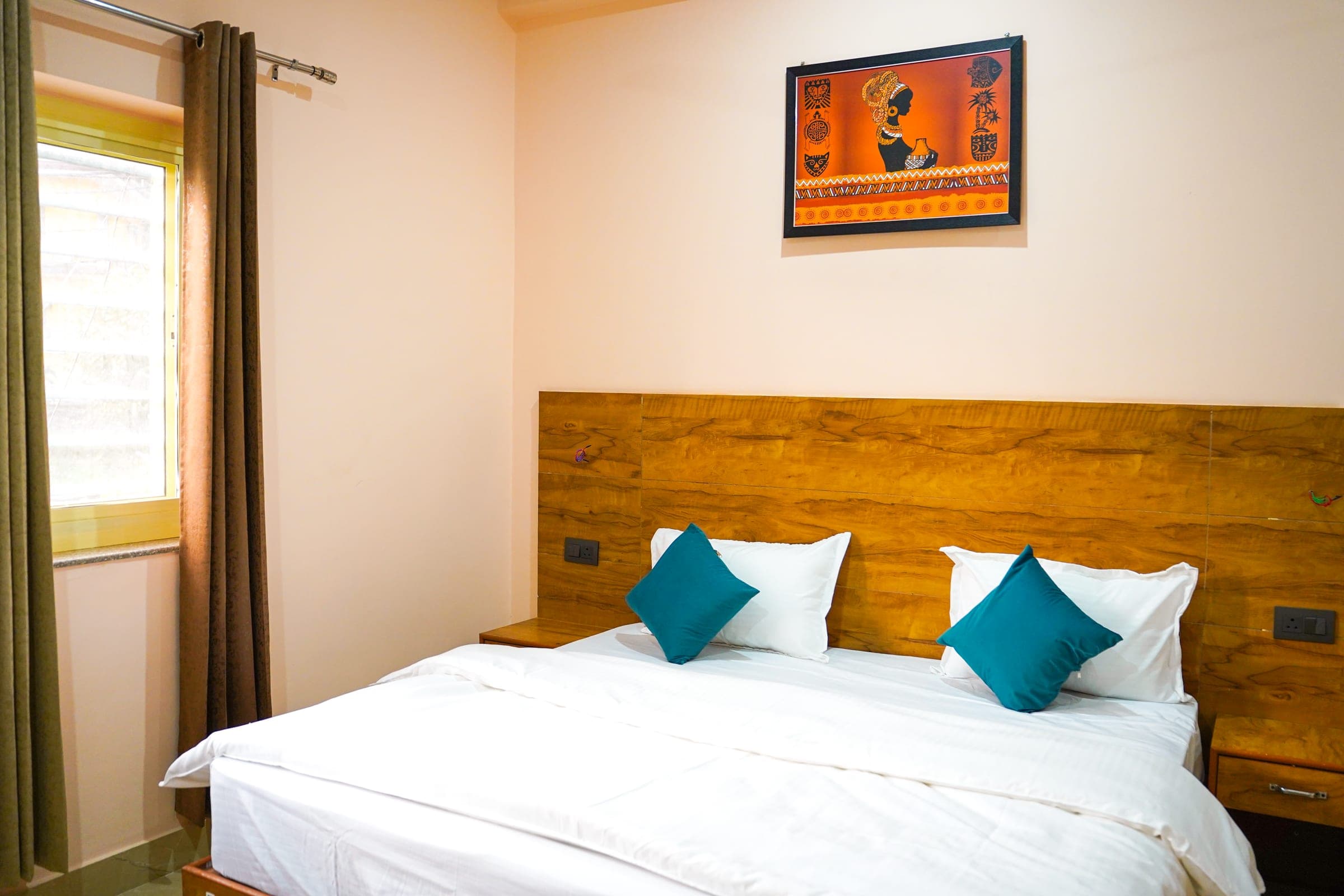
Wi-Fi, hot water and mountain views throughout — see the rooms in full.
Before You Worry
Is This Course for Someone Like Me?
The question almost nobody asks out loud, answered with what this page already states further up.
“I have never done a full yoga course.”
This course is written for beginners as well as intermediate practitioners. The asana syllabus starts at joint movements and warm-ups and builds each posture up step by step, with its anatomy and its counter-pose taught alongside it.
“I think I might be too old for it.”
The only age requirement is sixteen and above. There is no upper limit, and there has not been one since the school corrected that line across the site.
“I do not want to be lost at the back of a hall.”
A batch is fifteen to eighteen students. That is the published figure, and it is the reason a teacher can correct your alignment by name rather than call an instruction across a room.
“English is not my first language.”
Every class is taught in English, and understanding English is the one other requirement this course states. Nothing on the syllabus assumes Sanskrit you do not already have — the terms are taught as they are introduced.
Highlights
Inside the 200 Hour Training
The school's own summary of the program, in full.
- 9 Hours Daily Yoga Classes
- Batch size 15 to 18 Max
- Teacher qualifications: MA / PhD in Yoga Science
- Language: English
- Module: Residential
- Ancient-style of traditional Yoga teaching methods
- Small batch sizes Max 16 for personal attention
- 19 kinds of Subjects will cover
- Located in one of the best spiritual environments
- Tones of Love and Care
- Aspire to become internationally recognized professional Yoga teachers
- Spiritual seekers wishing to deepen their inner journey and self-awareness
- Individuals seeking personal growth, balance, and conscious living
Student Voices
What 200 Hour Graduates Say
Reviews this course's own graduates left on Google.
Rated 4.9 Stars by 3000+ Students
4.9 out of 5 · 3,000+ students
Simon Han rated us 5 out of 5
“I'm so grateful to be part of Hariom Yoga Vidya School family! I enjoy all the classes. The experience at the Himalayas excursions was fantastic and unforgettable! I found my inner peace and increased my spirituality being here in Rishikesh and of course at Hariom Yoga Vidya School. All the teacher are experienced and skillful. The head teacher Pramod and his wife Sona are so kind, everyone is so friendly and kind. I also enjoy Indian food. I'll come back for sure! Simon”
Toni rated us 5 out of 5
“I attended the 200hrs teachers training at the Hari Om Yoga Vidya School. The schedule of the training was very well though through, therefore both beginners and advanced practitioners could catch up. The rooms were very clean and neaty. Everybody was lovely. Doing the teachers training here was an amazing experience i will never forget! Thank You!!!”
Kruthika Nataraj rated us 5 out of 5
“My 200 hour YTTC experience with Hari Om Yoga Vidya School was fantastic.”
Ann-Maree Davies rated us 5 out of 5
“Just completed my 200hour YTTC and I can truly say I had such a wonderful experience in every way! My room was clean with a bed big and comfy, hot water, aircon was fab! The teachers are Committed and extremely knowledgeable! The food was so delicious everyone from the owners to the cleaners were a delight! Seriously I felt blessed to have found this school amongst the hundreds to choose from in Rishikesh!”
Jeremy Bennett rated us 5 out of 5
“We completed 200hr yoga teacher training at the start of 2025. The experience we had was quite magical. The real in depth knowledge and wisdom displayed by the multiple teachers really opened our eyes to the truly mind boggling and all encomposing science of yoga. We started the course feeling "in the known" and quickly found ourselves to be meer toddlers in grand scale of compentence. What we can take is that yoga is a complete science of the art of living.”
Kumkum Soni rated us 5 out of 5
“My experience at Hariom Yoga Vidya School was very different and good. I was able to practice yoga well in this environment and I did not feel away from home while staying here. The staff here is very good, they take care of all the needs of the students, everyone is helpful. All the teachers here are also very good and knowledgeable, from whom I got to learn a lot. I have completed 200 hours of certification from here.”
4.8 out of 5 from 192+ reviews on Google
Fees
What the 200 Hour Course Costs, and What It Includes
One figure, quoted per person in US dollars. Everything the course needs is inside it.
The 200 Hour Yoga Teacher Training in Rishikesh costs $999≈€999≈£899≈A$1,599≈C$1,399≈₹89,999 per person for a shared room, down from $1,399≈€1,399≈£1,199≈A$2,199≈C$1,999≈₹1,25,999. It is an all inclusive fee, and the list of what it covers is not a short one: every class on the timetable, your room for all 27 days, three vegetarian meals a day, study material, a yoga kit, the Himalayan excursion, the closing ceremony, your certificate, and a free pick-up from Dehradun airport.
A private room is available on every batch. The school quotes that rate on request rather than publishing it, so ask when you write to us and we will confirm it for your dates. A seat is held with a deposit and the balance is due when you arrive.
The dates in the table are the whole stay, which is what to book your flights against. Teaching runs from the 3rd of the month to the 26th; the 2nd is arrival day and the 28th is departure day, and your room and your meals are covered on both of them.
How payment works — deposit, bank transfer and what happens if your plans change.
What the fee does not cover
- Your flights, and your visa.
- Personal expenses, and any extra activities you choose in Rishikesh.
- Travel to Rishikesh from anywhere other than Dehradun airport. A cab from Delhi airport can be arranged and is charged separately — ask us for the current price before you book it.
- Air conditioning and a heater. Neither is in the standard package; both can be arranged at an extra cost.
Dates & Fees
2026 Batch Dates: 200 Hour Yoga Teacher Training Rishikesh
A batch starts every month, capped at 15 to 18 students.
The fee covers every class, accommodation, three meals a day, study materials, the certificate and course activities. Both room rates below are for our non-air-conditioned rooms. Air-conditioned rooms and heating are available on request — tell us what you need when you enquire and we'll confirm availability and the cost for your batch.
2 – 28 November 2026
$1,399≈€1,399≈£1,199≈A$2,199≈C$1,999≈₹1,25,999$999≈€999≈£899≈A$1,599≈C$1,399≈₹89,999shared room
Indian residents: ₹60,000 shared · ₹80,000 private (Indian ID checked at booking)Private room: $1,199≈€1,199≈£999≈A$1,899≈C$1,699≈₹1,07,999
2 – 28 December 2026
$1,399≈€1,399≈£1,199≈A$2,199≈C$1,999≈₹1,25,999$999≈€999≈£899≈A$1,599≈C$1,399≈₹89,999shared room
Indian residents: ₹60,000 shared · ₹80,000 private (Indian ID checked at booking)Private room: $1,199≈€1,199≈£999≈A$1,899≈C$1,699≈₹1,07,999
2 – 28 January 2027
$1,399≈€1,399≈£1,199≈A$2,199≈C$1,999≈₹1,25,999$999≈€999≈£899≈A$1,599≈C$1,399≈₹89,999shared room
Indian residents: ₹60,000 shared · ₹80,000 private (Indian ID checked at booking)Private room: $1,199≈€1,199≈£999≈A$1,899≈C$1,699≈₹1,07,999
2 – 28 February 2027
$1,399≈€1,399≈£1,199≈A$2,199≈C$1,999≈₹1,25,999$1,299≈€1,299≈£1,099≈A$2,099≈C$1,899≈₹1,16,999shared room
Private room: $1,499≈€1,499≈£1,199≈A$2,399≈C$2,099≈₹1,34,999
2 – 28 March 2027
$1,399≈€1,399≈£1,199≈A$2,199≈C$1,999≈₹1,25,999$1,299≈€1,299≈£1,099≈A$2,099≈C$1,899≈₹1,16,999shared room
Private room: $1,499≈€1,499≈£1,199≈A$2,399≈C$2,099≈₹1,34,999
2 – 28 April 2027
$1,399≈€1,399≈£1,199≈A$2,199≈C$1,999≈₹1,25,999$1,299≈€1,299≈£1,099≈A$2,099≈C$1,899≈₹1,16,999shared room
Private room: $1,499≈€1,499≈£1,199≈A$2,399≈C$2,099≈₹1,34,999
Who the 200 Hour YTTC in Rishikesh Is For
- Must understand English Language
- Age limit – Above 16 years
Yoga Alliance RYS 200 Certification
- Certified by Yoga Alliance
- Yoga Alliance Recognized certificate is internationally accepted and allows you to teach yoga worldwide.
For international students
Coming to Rishikesh from Abroad
What to settle before you book a flight, and what the certificate is worth when you get home.
The visa you need
A tourist visa, not a student visa. That is the right visa for this course, and for a stay of up to 60 days you apply online. There is no visa on arrival, so apply before you book your flight. We are not immigration advisors — confirm the current rules with your own embassy before you pay for anything.
Flying in from Delhi
Most students fly into New Delhi and take a short domestic flight on to Jolly Grant airport (DED) in Dehradun, which is the nearest airport to the school. Your pick-up from DED is free and already inside the fee, and it is not on a timetable — book whatever flight suits you, at whatever hour, and a car will be there for it. By road from Delhi it is 5 to 6 hours; by train, Haridwar station is 45 minutes away.
Does the certificate travel?
Your certificate is verified and backed by Yoga Alliance, so Yoga Alliance's standards and its code of conduct are what this training is held to — the same ones, read the same way, wherever you take it. An RYT 200 is the credential studios ask to see across North America, Europe, the United Kingdom and Australia, and this course is registered at the level that lets you apply for it. That last step is yours to take: registering as a teacher is a voluntary application you make to Yoga Alliance once you graduate.
When to come
A batch starts every month. October to February is the cool season and January is the coldest month. March to June is summer, reaching 35 degrees in June. July to September is the monsoon — warm, humid, and the greenest the valley gets.
We are not immigration advisors. Confirm the current rules with your own embassy or consulate before you pay for anything.
Code of Conduct
What we ask of you
To cultivate a respectful and focused atmosphere, we kindly ask students to adhere to the following:
- Practice DisciplineArrive on time for classes, be respectful to teachers, and adhere to all rules.
- Respectful EnvironmentTreat all classmates and instructors with courtesy, regardless of background or beliefs. Refrain from harassment or discrimination of any kind.
- Disruptive ActivitiesAbstain from loud noises, use of electronics at high volume, or any behavior that disrupts the class.
- Cleanliness and SafetyRefrain from smoking, consuming alcohol or drugs, or using strong fragrances that might bother others. Maintain a clean and safe environment by putting away personal belongings after class.
- Food and DrinkRefrain from eating inside the classroom. Water is encouraged for hydration.
- Dress CodeWear comfortable clothing that allows for free movement while respecting a modest dress code.
- Healthy ParticipationListen to your body's limitations and communicate any injuries or concerns to the instructor before class.
- Respect the Yogic LifestyleMaintain a clean and safe space by avoiding smoking, alcohol, non-vegetarian food (including eggs), and strong fragrances.
- Be ConsiderateInform the kitchen manager of any dietary needs, fasting days, or planned outings to avoid food waste.
- Be ResponsibleReturn borrowed materials promptly.
- Attend RegularlyComplete attendance is expected for all scheduled programs.
- AccommodationProvided only for enrolled students, not guests or family.
The full text lives in our terms & conditions.
Questions
Questions About the 200 Hour Training
The things people ask us most about this course.
How many hours a day is the 200 hour yoga teacher training?+
Nine hours of scheduled classes, starting with Hatha at 6:30 in the morning and finishing with assignments at nine in the evening. It is a full day and it is meant to be — 200 contact hours inside 27 days does not fit into an afternoon. Meals, self-study and rest are built into the timetable rather than squeezed around it.
How long is the course, and when does each batch start?+
27 days, residential, and a new batch runs every month. Classes are held from the 3rd of the month to the 26th; you arrive on the 2nd and leave on the 28th, and both of those days are inside the fee. The dates in the table above are that full stay, so they are the ones to book your flights against. Batches are capped at 15 to 18 students, so the months on either side of the season you want are worth asking about early.
What is the difference between the 200 hour and the 300 hour training?+
The 200 hour is the foundation qualification and it needs no prior training. The 300 hour is the advanced course, and it has a real prerequisite: a completed 200 hour from a Yoga Alliance registered school. You cannot start with the 300. Graduates who take both hold 500 hours in total, which is the level Yoga Alliance registers as an RYT 500.
Is there an exam at the end of the 200 hour course?+
Yes, and it is not the hard part. Philosophy is assessed by written work and a closing paper, and the practical assessment is you teaching a class to your own batch after weeks of practice at it. Nobody is asked to perform a posture they have not been taught.
Is the 200 hour course residential, or can I stay somewhere else in Rishikesh?+
It is residential, and your room for all 27 days is already inside the fee. Living on campus is part of how the course works: the first class is at half past six in the morning, and the practice is easier to keep when the hall is downstairs. If you have a reason to stay elsewhere, write to us before you book rather than after.
What happens on the Himalayan excursion?+
One guided day out of the school and into the foothills above Rishikesh, partway through the course — temple and ashram visits, a walk, and a change of altitude at about the point a 27 day training starts to feel long. It is included in the fee, and it is one of the days graduates write about afterwards.
How much Hatha and Ashtanga practice is in the 200 hour course?+
Both, every class day. Hatha Yoga and alignment opens the morning from 6:30 to 8:00, and Ashtanga Vinyasa practice closes the afternoon from 5:30 to 7:00, so three hours of the day are those two styles, with an hour of Yin Yoga after breakfast. The Ashtanga is taught in the Krishnamacharya and Pattabhi Jois lineage — sun salutations A and B, then the standing, sitting and finishing series — with ujjayi breath, bandha and drishti practiced rather than just described. The rest of the taught day is an hour of Kundalini and Tantra, ninety minutes of meditation, pranayama, mudra, bandha and shatkarma, an hour of yoga philosophy, and an hour of anatomy, alignment and teaching methodology. Meals are outside those hours, and the evening hour is assignments and self-study.
When does teaching practice start, and will I learn to teach beginners?+
From the first week. Teaching methodology is on the timetable every class day, in the afternoon hour it shares with anatomy and alignment, rather than being saved for the end. It covers class structure and timing, clear instruction and cueing, reading the energy of a group and teaching to the beginner in the room; the alignment side covers verbal cues versus physical adjustments, injury prevention and modification, and adjusting real students under supervision. It builds to the practical assessment, which is you teaching a class to your own batch of 15 to 18 people.
Do I have to attend every class to receive the 200 hour certificate?+
Yes. Attending all scheduled classes and school events is part of completing the course, and classes start on time: if you are going to be late, tell the school beforehand, because otherwise you will not be let into the class once it has begun. If something is going to keep you out of a session, speak to the school before it starts rather than after.
Something else on your mind? Read the full FAQ or .
Other trainings
Ready to begin?
Every batch is capped at 15 to 18 students. Reserve yours, or start with a free intro session — no pressure, just a conversation.
About the Training
Participate in the 200 Hour Yoga Teacher Training in Rishikesh, India
If you are in pursuit of a life-changing 200-hour yoga teacher training Rishikesh program, Hariom Yoga Vidya School is here for you! Prepare to be fully immersed in yoga teacher training in one of the holiest places in India — Rishikesh. Our program is ideal for people who would like to become teachers, for passionate yoga enthusiasts, or for students from various countries. At our yoga school, we offer you authentic yogic instruction combined with teaching skills, so you will learn to build confidence in your teaching as well as in your yoga practice.
Our 200-hour yoga teacher training in Rishikesh includes thorough knowledge on yoga asana, pranayama, meditation, yoga philosophy, anatomy, alignment, and teaching methods among other courses of yoga education that we provide. Regardless of whether you want to start practicing yoga professionally or just dig deeper into the art of yoga, our program will give you a good foundation to build on.
The choice of yoga teacher training in Rishikesh allows you to receive education in one of the most traditional places of learning yoga — it is located at the foothills of the Himalayas and near the Ganges. The peaceful atmosphere of Rishikesh creates an ideal setting for focused learning, self-discovery, and personal transformation.
If you are looking for a 200 hour YTT Rishikesh program, or for a trusted 200 hour YTT India experience, Hariom Yoga Vidya School offers structured training with experienced teachers and a supportive learning environment. Our 200 hour yoga TTC Rishikesh program is suitable for students from different countries and experience levels who are ready to take the next step in their yoga journey.
Explore the program, check the upcoming course dates and fees, and contact Hariom Yoga Vidya School today to reserve your place in the 200-hour yoga teacher training program in Rishikesh.