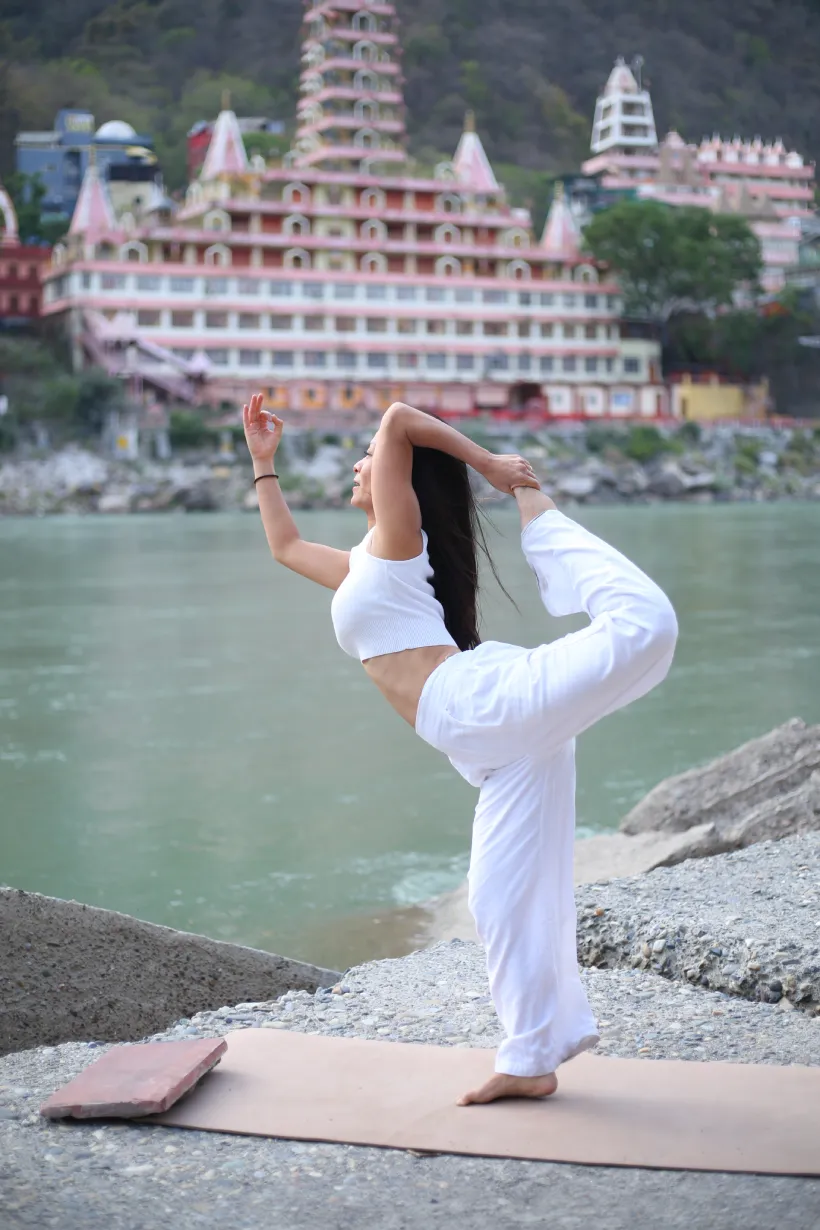
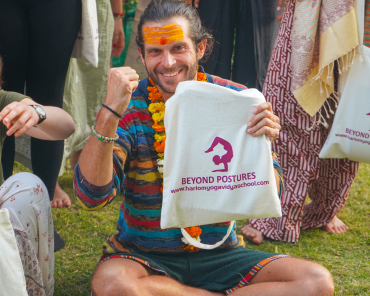
Best 200 Hour Yoga Teacher Training in Rishikesh, India

Best 200 Hour Yoga Teacher Training in Rishikesh

Years Experience
0 +
Students Trained
0 +

Certified

Masters

Premium

Accommodation

Safe

Environment

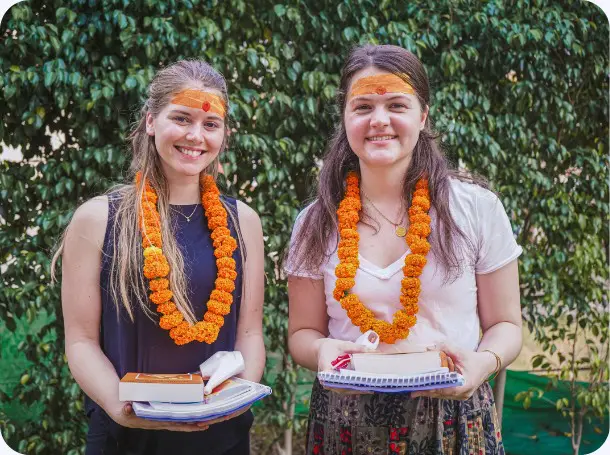
New Life, New Journey

A divine beginning where courage meets possibility and the soul learns to rise.
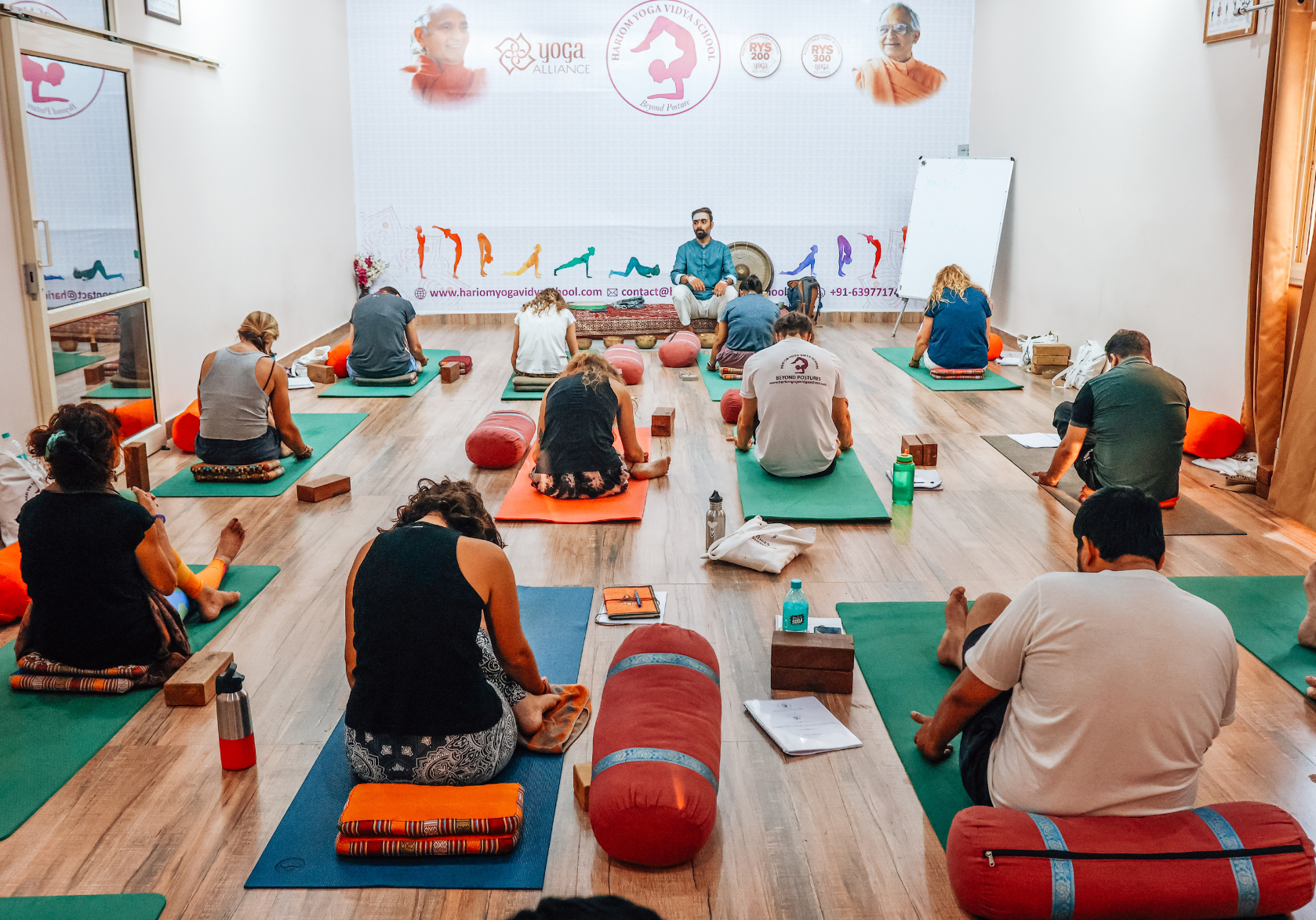
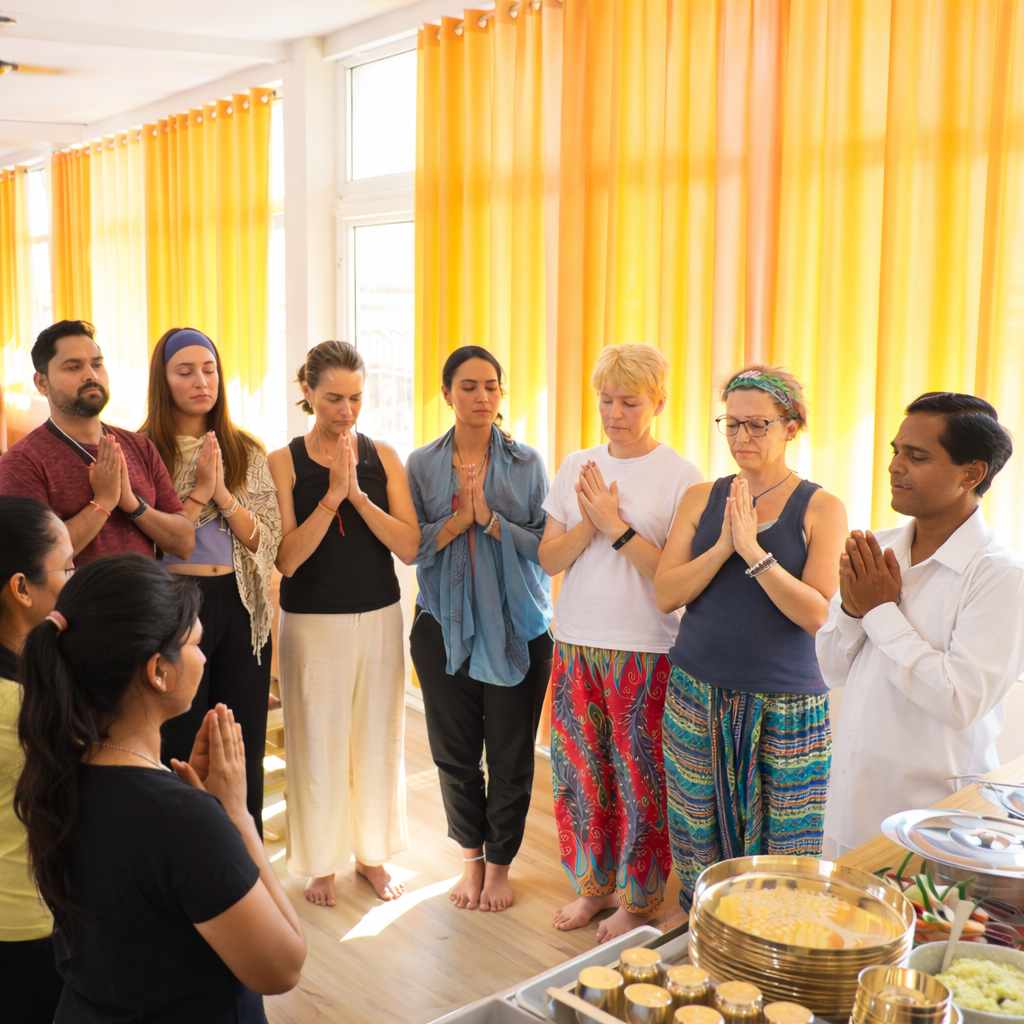
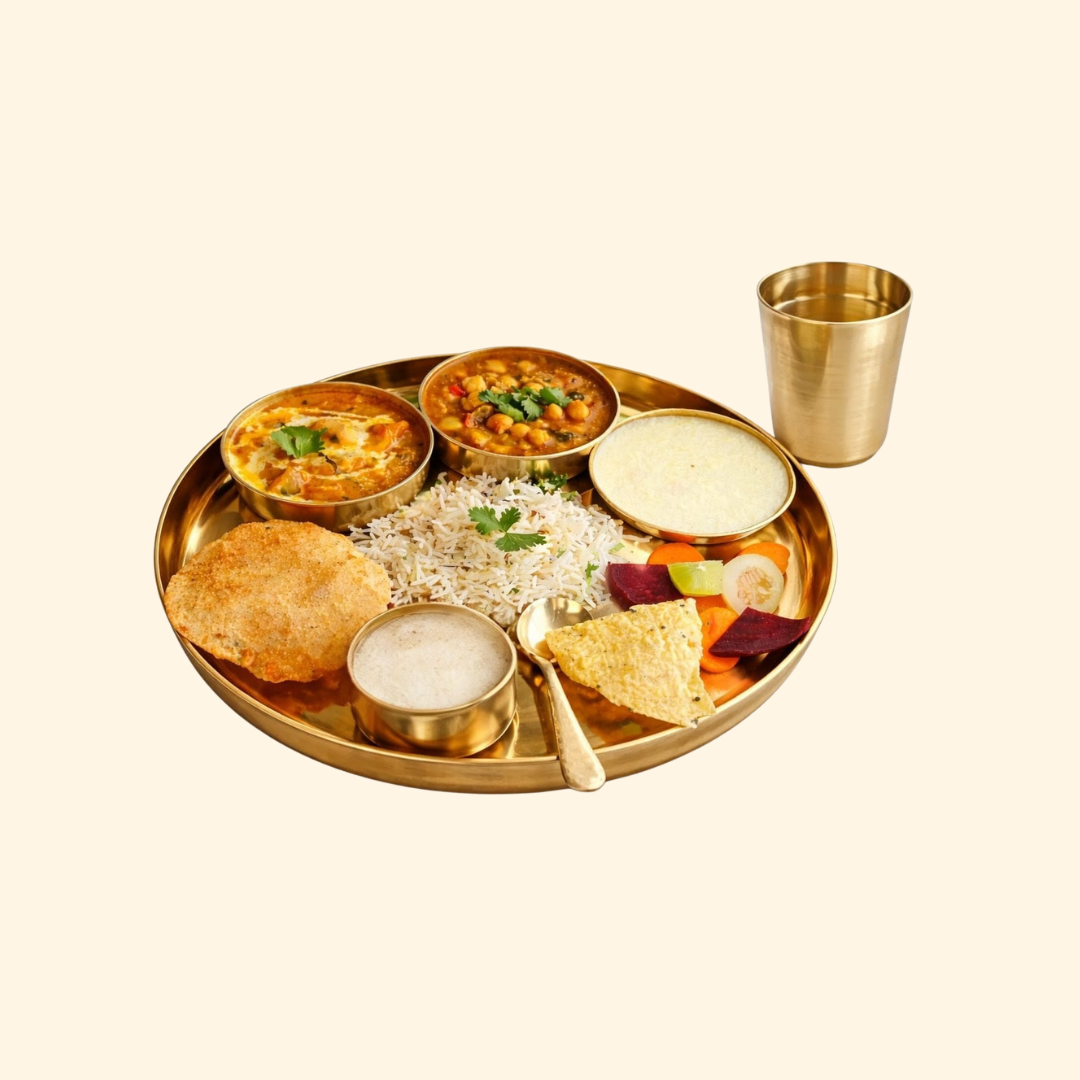
Food as medicine

A blessed nourishment where intention meets health and life is sustained.

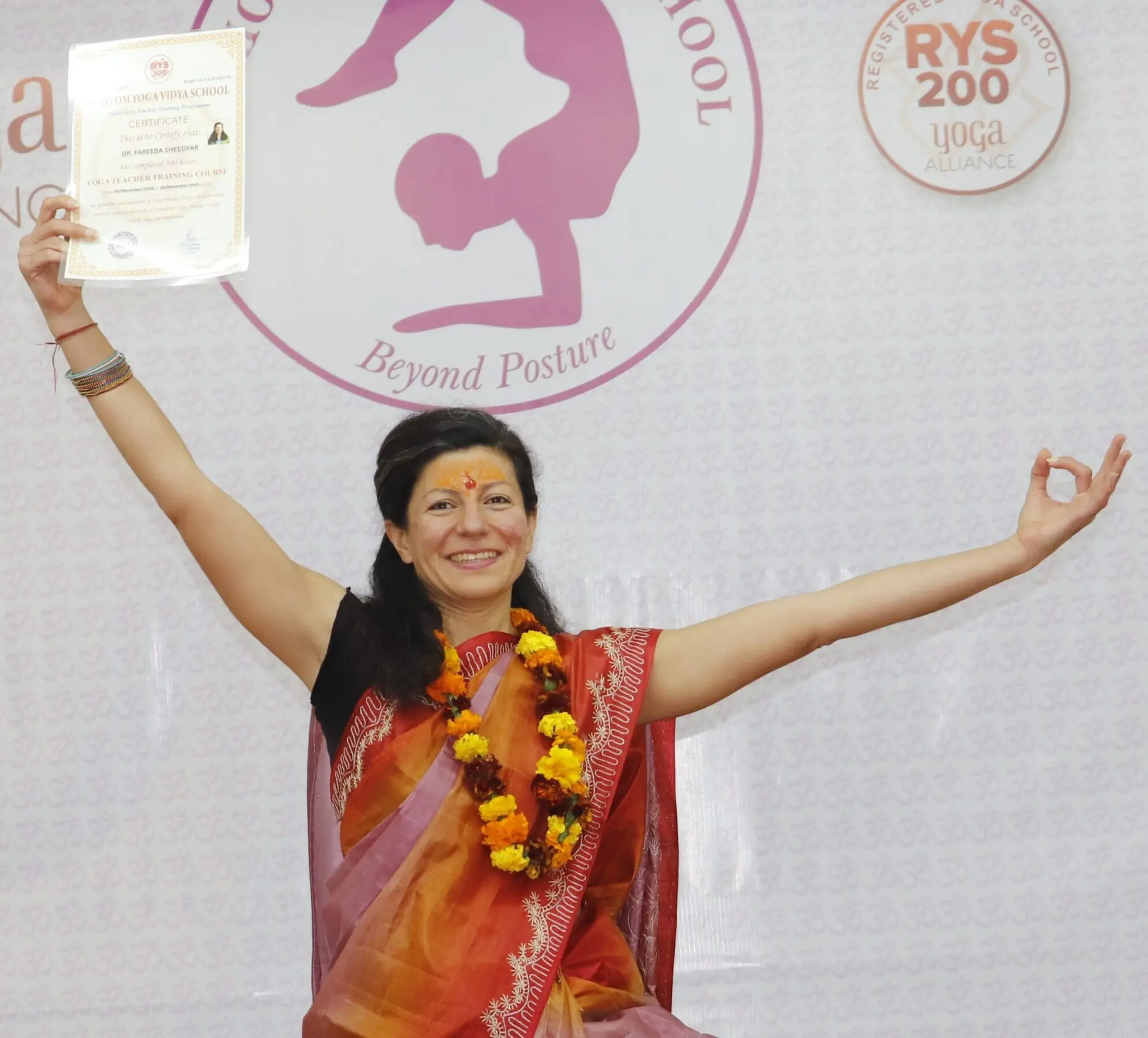
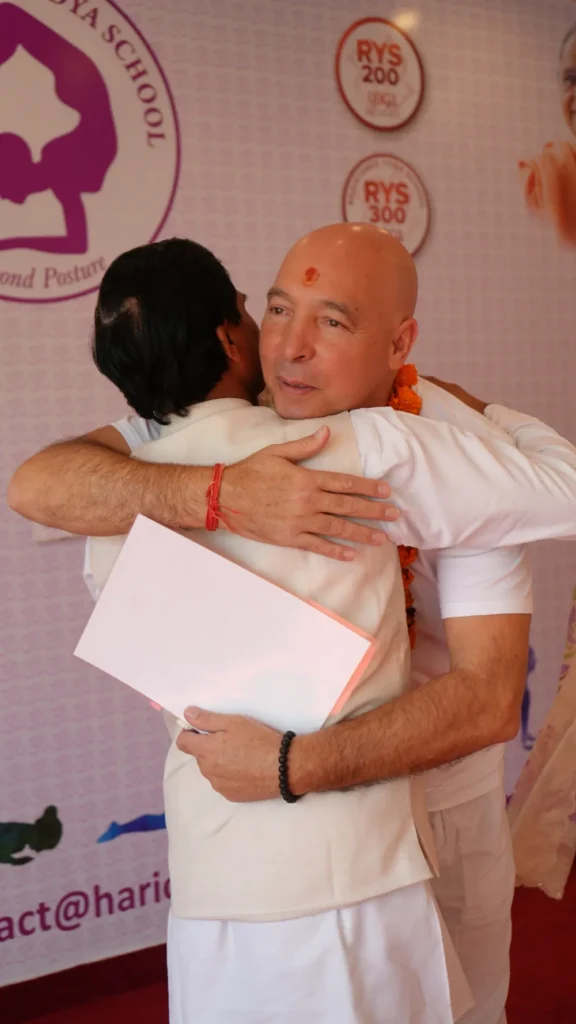
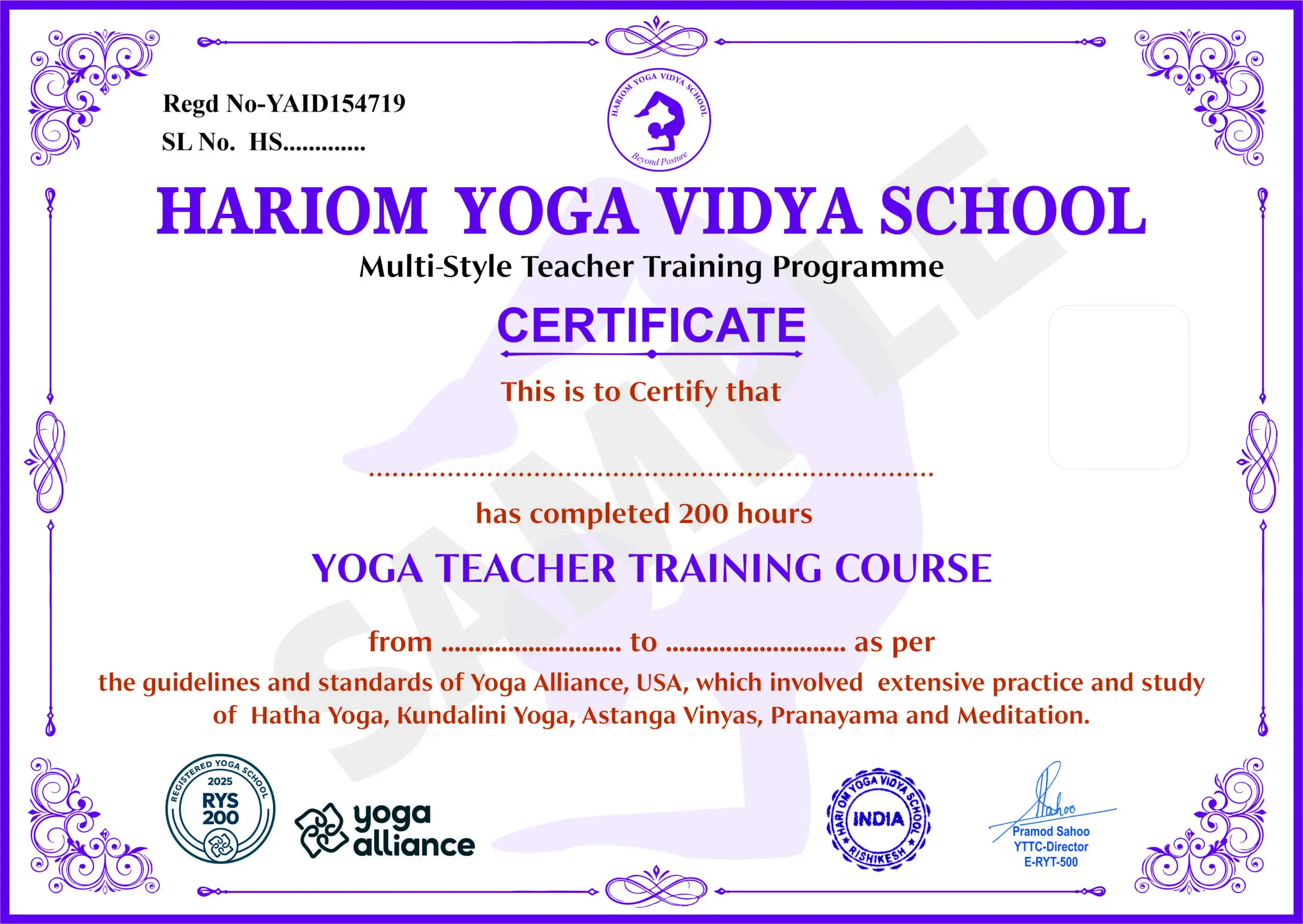
A certificate of awakening

A meaningful recognition where discipline meets transformation and life expands.

Course Highlights of 200 Hours YTTC

  • Course Duration - 2nd to 28th
  • 27 Days Program
  • 8 Highly Skilled and Experienced Yoga Teachers
  • Teachers Qualifications - MA / PhD in Yoga Science
  • 9 Hours Daily Yoga Classes
  • Batch size - 15 to 18 Max
  • Language - English
  • Module - Residencial
  • Level - Beginner & Intermediate
  • Includes - All the Classes, Accommodation, 3 Times Meal, Study Materials, Certificate, Other Activities
  • Eligibility - 16 to 65Years

Transformative Unforgettable Yogic Journey

Join us on a transformative and unforgettable yogic journey rooted in ancient wisdom, self-discipline, and the path of Self-Realization. This immersive experience is designed to awaken not only the body but also the mind and soul through authentic yogic practices, conscious living, and inner inquiry. Guided by experienced teachers, you will explore yoga as a living tradition beyond postures cultivating clarity, balance, and inner strength. In a nurturing and spiritually charged environment, each day becomes a step toward deeper awareness, emotional purification, and personal growth. This is more than a course; it is a sacred journey of self-discovery, alignment, and lasting transformation.

We know this is the big step for you

We honour the importance of this decision and the questions that may arise along the way. We understand also leaving Country behind, family behind, job behind, friend circle behind it is not easy step for you. But no worries we will take care of each moment towards your satisfactory spiritual journey. We will do our best effort to achieve your goal. From the moment you arrive, our team is here to support you with care, guidance, and a safe, welcoming environment, so you can fully focus on your practice, learning, and inner journey.

How can this course transform as you a best Teacher ?

This 200-Hour Yoga Teacher Training Course is designed to shape you not only as a skilled Yoga teacher, but as a balanced, aware, and confident individual. Through systematic practice of traditional Hatha Yoga, Kundalini and Tantra Yoga,Astanaga Vinyas pranayama, meditation, Alignment, adjustment , teaching methodology and Yoga philosophy, you develop a deep personal practice rooted in discipline and self-awareness. The course builds a strong foundation in alignment, sequencing, anatomy, and teaching methodology, enabling you to guide students safely and effectively. Beyond technique, the training cultivates clarity, compassion, and presence essential qualities of a true Yoga teacher. By the end of the course, you gain the confidence, knowledge, and inner stability to teach Yoga authentically and share its wisdom both on and off the mat.

Why Choose Our 200 Hour Yoga Teacher Training Course in Rishikesh, India

Learn from Experienced Yoga Trainers in Rishikesh

Train under highly experienced yoga teachers who bring years of knowledge and dedication to their teaching.

Authentic Teaching with Modern Methodologies

Our course combines traditional yoga practices with contemporary teaching strategies, ensuring a thorough understanding of yoga's diverse aspects.

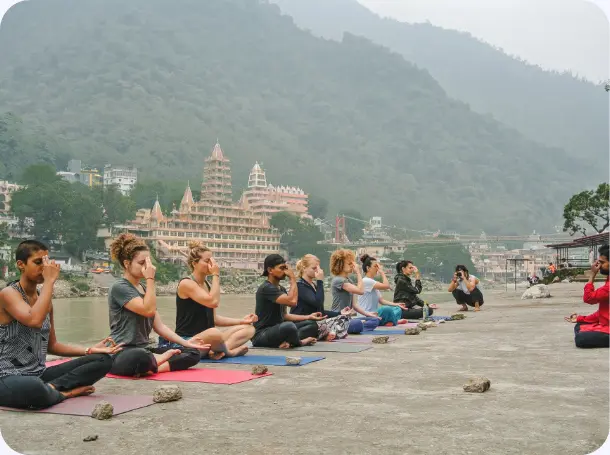
Train in the Serene Heart of Rishikesh, Uttarakhand

Our school is located in Rishikesh, known for its tranquil environment that fosters deep learning and spiritual growth.

Structured & Comprehensive YTT Curriculum

The curriculum includes Hatha, Ashtanga, meditation, and pranayama, equipping you with the knowledge to teach and inspire others.

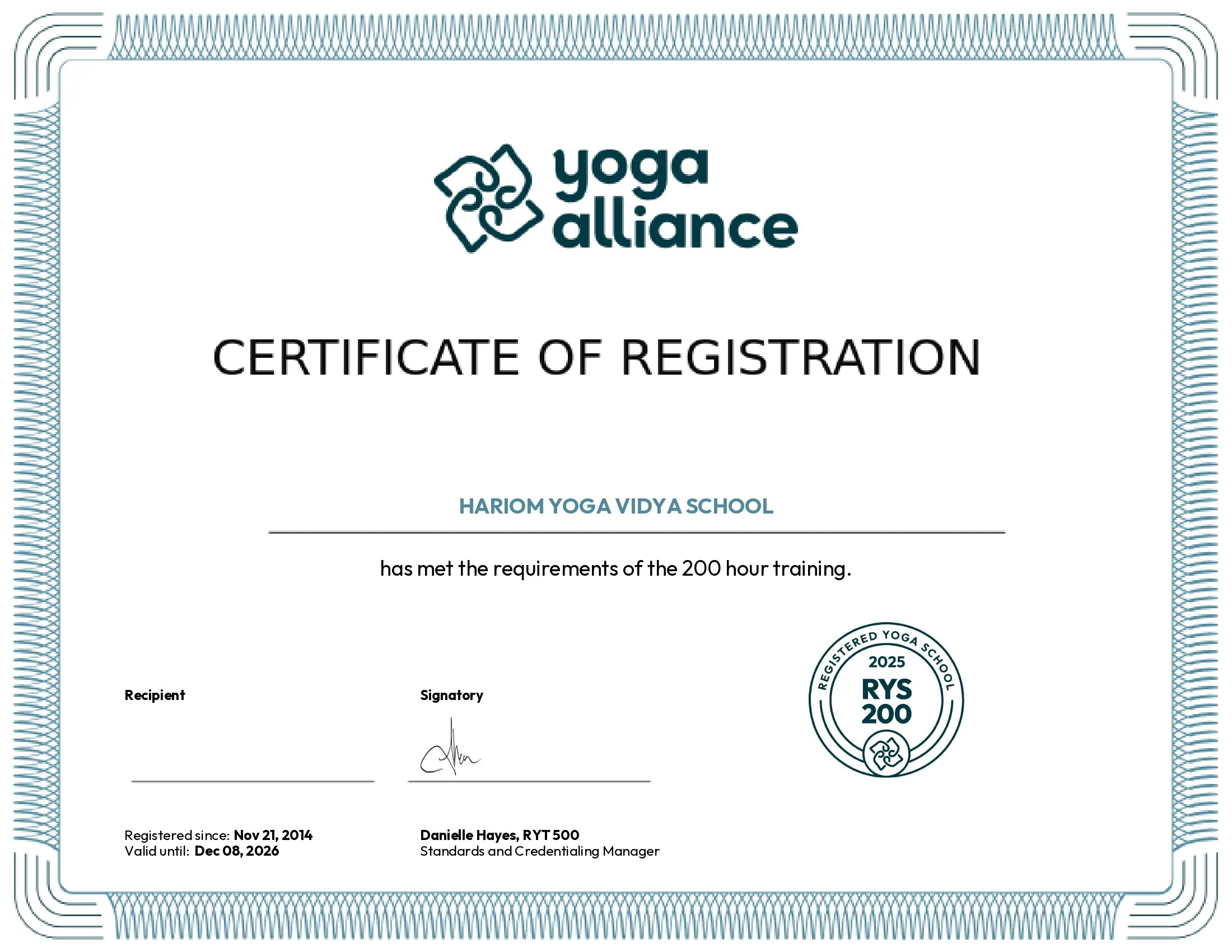
Certified by Yoga Alliance

Graduates are eligible to register as Registered Yoga Teachers (RYT) with Yoga Alliance, allowing for international recognition of their qualifications.

A Deeply Immersive YTT Experience in Rishikesh

Immerse yourself in our 27-day residential Yoga Teacher Training in Rishikesh. Experience intensive 8-hour daily classes with 7 expert teachers across 15 subjects.
Why Hariom Yoga Vidya School Is Different & Consider the Top Choice?

Course Summary of 200-Hour Yoga Teacher Training

This 200-Hour Yoga Teacher Training Course offers a comprehensive and transformative study of yoga rooted in traditional wisdom and disciplined practice. The program integrates many verities of classical Yoga subjects, which is designed to cultivate both personal growth and teaching competence. This training supports physical balance, mental clarity, and inner awareness. Guided by experienced teachers in a focused learning environment, students develop confidence, presence, and a deeper understanding of Yoga as a holistic system. Successful completion leads to Yoga Alliance Recognized Certification, enabling graduates to teach Yoga with professionalism and authenticity worldwide.

We are here to help you

Feel free to contact us. We will get back to you as soon as possible. We are available 24/7.

Daily Schedule of Our 200 Hour Yoga TTC in Rishikesh

Designed to Equip You with Holistic Yoga Knowledge and Skills

05:30 AM

Wakeup

06:30 AM – 08:00 AM

Traditional Hatha Yoga &
Alignments

Breakfast Time

09:30 AM – 10:30 AM

Yin Yoga, Ayurveda & Mantra Chant

10:15 AM – 11:15 AM

Kundalini Yoga

11:30 AM – 01:00 PM

Meditation, Pranayama,
Mudra, Bandha, & Satkarma

01:00 PM – 02:00 PM

Delicious Indian lunch

Image representing our holistic yoga teacher training in Rishikesh – Yoga Curriculum Overview

08:30 AM – 09:30 AM

02:00 PM – 03:00 PM

Alignment & Adjustment

03:00 PM – 04:00 PM

Yoga Philosophy &
Ayurveda

04:00 PM – 05:00 PM

Self Study

05:30 PM – 07:00 PM

Ashtanga Vinyasa &
Alignments

07:00 PM – 08:00 PM

Enjoy Your Dinner

08:00 PM – 09:00 PM

Home Work & Assignments

09:00 PM

Rest Time

Yoga Alliance is Worldwide Accredited

A Yoga Alliance Recognized certificate is internationally accepted and allows you to teach yoga worldwide. It represents standardized training, professional credibility, and authentic education. This globally respected certification supports your journey as a confident yoga teacher and opens opportunities to teach across countries, cultures, and yoga communities with trust and recognition.

Who Is This Yoga Alliance Certified Course For?

This course is not only a certification program it is a transformational journey that nurtures the body, mind, and soul, preparing you to share authentic Yoga wisdom with the world.

Eligibility – Pass 10 th Class, Must understand English Language

Age limit – Above 16 years

You’ll Learn in Our 200 Hour Yoga Teacher Training in Rishikesh

Hatha Yoga

What is Hatha Yoga?

History of Hatha Yoga

Benefits of Practice Hatha Yoga

Discipline of Practice Hatha Yoga

Perquisites of Practice Hatha Yoga

ASANA (POSTURES)

Students Will Learn About Each Asana (Posture)

Name of the Asana in English & Sanskrit Language

Introduction & History of Asana

Benefits & contraindications of each Asana

How to do this Asana step by step & dynamic way?

Counter Poses

Six steps of doing Asana meditatively

Centring, Entering, Refining, Holding, Come out, & Reflection

Anatomical aspects of the Asana

Therapeutically Approachment

Corrections

Modifications

Contraindications

Reference books

Conclusion

JOINTS AND GLANDS MOVEMENT

SEQUENCE OF THE HATHA YOGA ASANA

Standing Postures

Chandra Namaskara

Sitting Postures

Backward Bending Postures

Forward Bending Postures

Spinal Twisting Postures

Fire Series Postures

Inversion Postures

Surya Nmaskara

Shavasana

NAME OF ALL THE ASANA THAT WE WILL COVER APROX

STANDING POSTURES

Tadasana (Mountain Pose)

Udwahastasana – Upward Salute Pose

Utkatasana (Chair Pose)

Vrksyasana (Tree Pose) Ver1 & 2

Uthita Hasta Padongustasana (Raise Hand to Toes Pose)

Natarajasana (King Dancer Pose) Ver-1

Padohastasana (Hand to feet Pose)

Trikonasana (Triangle Pose)

Virbhadrasana (Warrior Pose)-1

Virbhadrasana (Warrior Pose)-2

Parswakonasana (Angle Pose)

Uthita Parswakonasana (Rise Angle Pose)

Upaveshasana (Squat Pose)

Maalaasana (Garland Pose)

Vajrasana (Kneeling Pose)

Margarisana (Cat Pose)

Simhasana (Lion Pose)

Veerasana (Hero pose)

Dandasana (Stamp Pose)

AkarnaDhanurasana

Badhakonasana (Butterfly Pose)

Sukhasana (Easy Pose)

Swastkasana (Auspicious Pose)

Ardha Padmasana (Half Lotus Pose)

Lolasana (Pendant Pose)

BACKWARD BENDING POSES

Makarasana (Crocodile Pose)

Byaghrasana (Tiger Pose)

Ardhakapotasana (Half Pigeon Pose)

Astanga Namaskarasana (Salutation with Eight Limbs)

Chaturanga Dandasana (Staff Pose)

Bhujangasana (Cobra pose)

Ardha Salbhasana (Half Locust Pose)

Ardha Dhanurasana (Half Bow Pose)

Urdwa Mukha Swanasana (Upward Facing Dog Pose)

Ustrasana (Camel Pose) Ver- 1

Side Plank Pose

Balasana (Child Pose)

Janushirsana – Head of the Knee Pose

Parivrita Janushirasana — Revolved Head of the Knee Pose

Ardha Badha Padma Paschimotanasana – Half bound Lotus intense west stretch

Triyanga Mukhaika PadoPaschimatanasana – Three Limbs Facing Intense West Stretch Pose

Marichyasana Ver – 1 – Pose dedicated to the sage Marichi

Badhakonasana – Butterfly Pose with forwarding bending

Upavistha Konasana – Seated wide Legged straddle

Paschimotanasana- Ver-1 – Seated Forward Bend Pose

Paschimotanasana- Ver-2 – Seated Forward Bend Pose

Purva Tanasana – Upward Plank Pose

FIRE SERIES – ASANAS FOR ABDOMEN

A & P- Akunchana Prasarana, Abdomen Contraction & Release

Single Leg Lift – Hold and Raise – Urdwa Prasarita Eka Padasana

One Knee Bend, Other Leg Lift – Arms resting on the floor

One Knee Bend, Other Leg Lift – Elbows resting on the floor

One Knee Bend, Other Leg Lift – Chick rest on the palm

Urdwa Prasarita Padasana (Upward Rise Legs)

Ananda Balasana (Happy Baby Pose)

Ardha Mastyendrasana – Half Fish Pose

Spinal Twisting In Kneeling Pose

Spinal Twisting In Table Pose

Supta Mastyendrasana – Spinal Twisting in Laying Pose

INVERSION POSES

Setubandhasana (Bridge Pose)

Viparit Karani (Inversion Pose)

Sarvangasana (Shoulder Stand)

Halasana (Plough Pose)

Mastyasana (Fish Pose)

Rocking Chair

Bakasana

Ek Padaasana

Garudasana

Ashtanga Vinyasa

Students will learn Ashtanga Vinyasa Yoga system was reconstructed from a mysterious manuscript written on a bundle of palm leaves, the Yoga Korunta. This collection of verses on HATHA YOGA was discovered in the 1930s by Yoga master and Sanskrit scholar Sri Tirumalai Krishnamacharya and his disciple K. Pattabhi Jois researching Sanskrit texts at a Calcutta university library. The manuscript is dated to be between 500 and 1,500 years old.

Introduction to Ashtanga Vinyasa Yoga

History of Ashtanga Vinyasa Yoga

Awakening the Fire Within

What is Ujai Breath?

How to do Ujai Breath?

Benefits of Ujai Breath

The Breath of Life

Prana

A Chakra Contemplation

Eight Limbs of Yoga and the Practice of K.Pattabhi Jois

How to Do Bandha in Ashtanga

Drishti – Focusing the Attention During Movements

Cleansing and purification

Creating a sacred place

The challenging asanas

proper use of props and yoga instruments

sun salutation a & b (week 1)

standing asana series (week 2)

sitting asana series (week 3)

finishing asana series (week 3)

Teaching Practice & Exam (Week 4)

Surynamaskara A

Samasthiti

Urdvahastasna

Uttanasana A

Uttanasana B

Chaturanga Dandasana

Urdvamukha Svanasana

Adhomukha Svanasana

Uttanasana B

Uttanasana A

Urdvahastasana

Samasthiti

Surynamaskara B

Samasthiti

Utkatasana

Uttanasana A

Uttanasana, B

Chaturanga Dandasana

Urdvamukha Svanasana

Adhomukha Svanasana

Bibhadrasana A

Chaturanga Dandasana

Urdvamukha Svanasana

Adhomukhasvanasana

Birbhadrasana. A

Chaturanga Dandasana

Urdvamukha Svanasana

Adhomukha Svanasana

Uttanasana B

Uttanasana A

Utkatasana

Samathiti

Primary Series – Standing Asanas

Padangusthasana (big toe pose)

Pada Hastasana (hands under feet)

Trikonasana (triangle)

Parivritta Trikonasana (revolved triangle)

Utthita Parsvakonasana (extended side angle )

Parivritta Parsvakonasana (revolved side angle)

Prasarita Padottanasana (wide leg forward fold)

Parsvottonasana (side intense stretch)

Utthita Hasta Padangusthasana (extended hand to big toe)

Ardha Baddha Padma Uttanasana (half bound lotus intense stretch)

Utkatasana (fierce pose)

Virabhadrasana I (warrior l)

Virabhadrasana II (warrior ll)

Dandasana (staff pose)

Paschimottanasana (3 X west intense stretch)

Purvottanasana (east intense stretch)

Ardha Baddha Padma Paschimottanasana bound lotus version of paschimottanasana)

Trianga Mukaikapada Paschimottanasana (1 leg folded back, forward fold)

Janu Sirsasana (head to knee pose) A, B & C

Marichyasana A, B C & D

Navasana (boat pose) X5

Kurmasana (tortoise)

Supta Kurmasana (reclining tortoise) → Jump back

Garbha Pindasana (embryo in the womb – 9 rolls)

Kukkutasana (rooster)

Baddha Konasana (bound angle, upright and fold) Jump back, vinyasa

Upavista Konasana (wide angle seated forward fold) release feet then lift

Supta Konasana (reclining angle pose, open plow) Jump back, lie down

Supta Padangustasana (reclining big toe pose A & B)

Ubhaya Padangustasana (both big toes pose)

Urdvha Mukha Paschimottanasana (upward facing paschimo) Jump back

Setu Bandhasana (bridge building pose) Jump back

Urdvha Dhanurasana (upward bow – Lift 5 times)

Paschimottanasana (intense stretch – 10 breaths.)

Savasana (corpse)

Salamba Sarvangasana (Shoulderstand – 10-25 breaths)

Halasana (plow)

Karnapidasana (ear pressure)

Urdvha Padmasana (upward lotus)

Pindasana in Sarvangasana (embryo)

Matsyasana (fish.)

Uttana Padasana (intense stretched feet or legs)

Sirsasana (headstand A = 10-50 breaths B = 10 breaths)

Balasana (child pose)

Baddha Padmasana (bound lotus and bow – 10 breaths)

Padmasana (lotus – 10 slow breaths)

Tolasana (the uplifting – scales – 10 fierce Ujjaii breaths)

One more vinyasa to Savasana…

Savasana (corpse)

KUNDALINI YOGA

This is the most spintual form of yoga, which you can undertake. The yoga school in Rishikesh will assist you to awaken your Kundalini Energy It is also called as ‘serpent energy and resides at the base of the spine. If untapped, one can lead an entire lifetime, without knowing about the huge possibilities that its awakening can bring about. Through Kundalini Yoga practice, you will be to awaken the dormant energy, which rises Through the chakras aligned along the spine. As the energy moves through the chakras, it clears the chakras of any blockages. The ultimate destination of this energy is the Crown chakra, from where it unites with the male energy, or Purusha. Kundalini energy is a female form, which also assumes the power called Shakti.

Kundalini yoga sessions at Hariom Yoga Vidya School comprise repetitive asana practice, mantra chanting, singing, and breathing exercises You get knowledge of the pads or energy channels as well, as a part of the program. You can experience real spintual awakening, if you stick to a strict regimen while learning Kundalini Yoga.

Introduction to Kundalini

History of Kundalini

Styles of Kundalini

Methods of Awakening

Kriya Yoga

Introduction to Pranas and Nadis

Role of pragas in Awakening and Aura

Nadis and Chakras

Granthis and Kabetras

By the regular practice of Kundalini, it helps in achieving a healthy and flexible body

Pranayama and Koyas eliminate diseases from your mind and body

Kundalini practice enhances your immunity by becoming free from several diseases

High sell-awareness and more receptiveness

Purification of body decreasing toons body decrease

Awareness breath that enhances well-being

Good ale discipline

Real spiritual awakening

Good control over energy that alisists in all kinds of healing

Kriyas

Sahasrara Chakra

Ajna Chakra

Vishuddha Chakга

Anahata Chakга

Manipura Chakra

Svadhishthana Chakra

Muladhara Chakra

Introduction to Man Mandalas

Pranayama

Pranayama is an integral part of Yogic Practices also mentioned in the eight limbs of Patanjali Yoga sutras. Pranayama specifically focuses on increased efficiency and balancing of the breath of an individual. Prana is the vital energy of the body and Yama refers to the expansion and growth. There are many physiological and psychological benefits of doing pranayama practices daily.

Introduction of Pranayama

Meaning of Pranayama

Definition

Breathing experiment

Conclusion

Kapalbhati Pranayama (Frontal Brain Cleaning Breath)

Introduction – Meaning – Benefits – Contradictions

Duration of practice – Demonstration of Kapalabhati Pranayama

Preparation of Kapalabhati for students – Technique One

How to do Kapalabhati Pranayama?

Sheetali Pranayama (Cooling Breath)

Introduction – Meaning – Benefits – Contradictions

Duration of practice – Demonstration of Sheetali Pranayama

Preparation of Sheetali for students

Sheetkari Pranayam (Hishing Breath)

Introduction – Meaning – Benefits – Contradictions

Duration of practice – Demonstration of Sheetkari Pranayama

Preparation of Sheetkari for students

Bhastrika Pranayam (Bellows Breath)

Introduction – Meaning – Benefits – Contradictions – Duration of practice

Demonstration of Bhastrika Pranayama

Preparation of Bhastrika for students

Technique One

How to do Bhastrika Pranayama?

Bhramri Pranayama (Humming Bee Breath)

Introduction – Meaning – Benefits – Contradictions – Duration of practice

Demonstration of Bhramri Pranayama

Preparation of Bhramri for students

Technique One

How to do Bhramri Pranayama?

Ujjayi (Psychic Breath)

Introduction – Meaning – Benefits – Contradictions – Duration of practice

Demonstration of Ujjayi Pranayama

Preparation of Ujjayi for students

Technique One

How to do Ujjayi Pranayama?

Nadishodhana Pranayama (Psychic Network / Chanel Purification)

Introduction – Meaning – Benefits – Contradictions – Duration of practice

Duration of practice

Demonstration of Nadishodhana Pranayama

Preparation of Nadishodhana for students

Technique One

How to do Nadishodhana Pranayama?

Kapalbhati Pranayama 2 (Frontal Brain Cleaning Breath)

Introduction – Meaning – Benefits – Contradictions – Duration of practice

Demonstration of Kapalabhati Pranayama Two

Preparation of Kapalabhati for students

Technique Two

How to do Kapalabhati Pranayama?

Sheetali Pranayama 2 (Cooling Breath)

Introduction – Meaning – Benefits – Contradictions – Duration of practice

Demonstration of Sheetali Pranayama Two

Preparation of Sheetali for students

Technique Two

How to do Sheetali Pranayama?

Sheetkari Pranayam 2 (Hishing Breath)

Introduction – Meaning – Benefits – Contradictions – Duration of practice

Demonstration of Sheetkari Pranayama Two

Preparation of Sheetkari for students

Technique Two

How to do Sheetkari Pranayama?

Bhastrika Pranayam (Bellows Breath) 2 & 3

Introduction – Meaning – Benefits – Contradictions – Duration of practice

Demonstration of Bhastrika Pranayama Two & Three

Preparation of Bhastrika for students

Techniques Two & Three

How to do Bhastrika Pranayama?

Bhramri Pranayama 2 & 3 (Humming Bee Breath)

Introduction – Meaning – Benefits – Contradictions – Duration of practice

Demonstration of Bhramri Pranayama Two & Three

Preparation of Bhramri for students

Techniques Two & Three

How to do Bhramri Pranayama?

Ujjayi (Psychic Breath) 2 & 3

Introduction – Meaning – Benefits – Contradictions – Duration of practice

Demonstration of Ujjayi Pranayama Two & Three

Preparation of Ujjayi for students

Techniques Two & Three

How to do Ujjayi Pranayama?

Nadishodhana Pranayama 2 & 3 (Psychic Network / Chanel Purification)

Introduction – Meaning – Benefits – Contradictions – Duration of practice

Demonstration of Nadishodhana Pranayama Two & Three

Preparation of Nadishodhana for students

Techniques Two & Three

How to do Nadishodhana Pranayama?

Satkarma

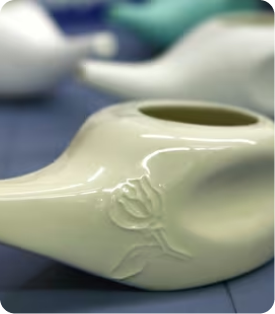
The Shatkarmas are also called Shatkriyas. It is a set of body purification techniques, with the help of which, you can cleanse your system internally. In order to move ahead in your yogic journey, you need to have a strong body, as it serves as the foundation for yoga sadhana. Shatkarmas consists of six cleansing techniques, Basti, Nauli, Dhauti, Trataka, Neti, and Kapalbhati. Each of these kriyas targets specific organs in the alimentary canal. Apart from just strengthening the body, it also leads to the balance of the Tridoshas. It also helps in the flow of Prana through the Nadis. Kapalbhati is not only a kriya, but it is also a Pranayama. So, you get to indulge in two practices, rolled into one. It is a forceful breathing practice, that can aid in alleviating stress from your brain. You can also practice Neti, very easily. However, a guide will initiate the process, for you to feel comfortable later on.

Six Steps of Cleansing – Subject focus on Jala Neti & Sutra Neti

Introduction to Six Types of Satkarma

Meaning of Pranayama

Contradictions

Benefits

Introduction to the Practical Jala Neti

Contradictions

Benefits

Preparation of Jala Neti

Demonstration of Jala Neti by Teacher

Technique

Practice with students

Introduction to the Practical Sutra Neti

Contradictions

Benefits

Preparation of Sutra Neti

Demonstration of Sutra Neti by Teacher

Technique

Practice with students

Bandhas

Bandha is a lock. You can lock yourself in certain postures, to increase energy flow to specific organs. You can also call it the energy lock. There are four main bandhas, that the yogis practiced from early on. They include Mula, Uddiyana, Jalandhara and Maha Bandha. The Maha bandha is a combination of the three bandhas. Moreover, it is the highest form of body lock. Practicing bandhas involves muscular contractions. The Mula bandha is especially useful in awakening the Kundalini energy. The Uddiyana Bandha energizes the Heart Chakra and the abdominal organs. Likewise, the Jalandhara Bandha energizes the thyroid and parathyroid, along with respiratory organs. You can also practice the three together, starting from the throat. Bandhas help to lock and release energies from various organs, and increase blood as well as energy flow. You also learn to observe the performance later.

Jalandhara Bandha

Introduction – Meaning – Benefits

Contradictions – Duration of practice

Preparation

Demonstration

Technique Practice with students

Udiyana Bandha

Introduction – Meaning – Benefits

Contradictions – Duration of practice

Preparation

Demonstration

Technique Practice with students

Mula Bandha

Introduction – Meaning – Benefits

Contradictions – Duration of practice

Preparation

Demonstration

Technique Practice with students

Maha Bandha

Introduction – Meaning – Benefits

Contradictions – Duration of practice

Preparation

Demonstration

Technique Practice with students

Mudra – Gesture

A Mudra is a gesture or seal in yoga. You may come across mudras in dance forms as well, however, they are much different. When you practice mudras, you can channelize Prana through the body. There are various kinds of mudras, like Hasta mudras, Kaya mudras, and Chitta Mudras. Hasta mudras are the most important in Yoga practice. According to the Science, Ayurveda, there are five elements or Mahabhutas. Fire, earth, air, water, and ether. Each finger represents one maha bhuta. You can manipulate each element for the betterment of your body and health, and increase or decrease the flow of prana to specific body parts. One of the most commonly used mudras, is Gyan mudra. You can practice it while performing the asanas. It helps in obtaining knowledge and greater wisdom from the universal body. You can practice mudras anywhere while sitting in your home or workplace, so that is an added benefit of mudras. Get the maximum benefits today.

Jnana Mudra (Psychic Gesture Of Knowledge)

Introduction – Benefits – Duration

Preparation – Demonstration

Technique Practice with students

Chin Mudra (Psychic Gesture Of Consciousness)

Introduction – Benefits – Duration

Preparation – Demonstration

Technique Practice with students

Bhairava Mudra – Shiva Mudra

Introduction – Benefits – Duration

Preparation – Demonstration

Technique Practice with students

Hridaya Mudra – Heart Gesture

Introduction – Benefits – Duration

Preparation – Demonstration

Technique Practice with students

Meditation

Meditation is an ancient practice that goes back thousands of years ago. It comprises of physical as well as mental practices. You can meditate to relax your mind and also remove stress from your life. Meditation has its roots in Hinduism and Buddhism, but it is not a religious practice. You will learn about several different ways to meditate as a part of the 200 hour yoga teacher training course. The different meditation types, which you can learn are mantra meditation, transcendental meditation, moving meditation, mindfulness meditation, body-centred meditation, visualization, and so on. You can use several props to meditate, like singing bowls, malas, and music. Meditation can heal several traumas and physical ailments. You learn to concentrate on the present, when you do meditation properly.

Introduction of Meditation/ Meaning and Things

Mantra Chanting with Meaning and Benefits/Practice

Apa Meditation with Meaning and Benefits/Practice

Sixty-One Energy Points Discussion

OM Meditation with Meaning and Benefits/Practice

The Practice of Osho Dynamic Meditation

Music Meditation Practice

Dancing Meditation Practice

Walking Meditation Practice

Introduction of Tratak Meditation/Stages/Benefits

The Practice of Dot Meditation

The Practice of Yantra Meditation

Practice of Candle Meditation

Yogic Relaxation Techniques

Relaxation comes naturally as a part of the yoga teacher training course. You can divert your mind from a cluttered life, by meditating. However, relaxation has a broader meaning. There are various conscious forms of relaxation that can help you to rejuvenate your mind. The instant relaxation technique in one in which you tighten and relax the muscles to get into a relaxed state of mind. Quick relaxation techniques are also a part of the program. Shavasana is an important consideration here, as you learn how to guide your yoga practice towards a relaxing session through conscious relaxation techniques. Yoga Nidra is another conscious relaxation technique which can help you to enter a deep state of relaxation. Master the same under the guidance of yoga experts at Hariom Yoga Vidya School.

Meditation, asana practice, and Pranayama go hand-in-hand. Learn about the various techniques as a part of the teacher training course at Rishikesh. You will be learning the various forms of relaxation in the company of individuals who have been practicing yoga for a long time.

Synopsis of Featured Teachings

Point-to-Point Movement and then Stillness

Point-to-Point Tension and Relaxation

Entire-Body Tension and Relaxation

Point-to-Point Relaxation

Selective Tension and Relaxation of Body Parts

More Detailed Point-to-Point Relaxation with Visualization of Pure White Divine Light at the Cardiac Center

Detailed Point-to-Point Relaxation with Spinal Breathing and “So-Ham”

Alignment, Correction & Adjustment

Alignment and adjustment are fundamental concepts in the practice of Yoga, both for practitioners and instructors. Here’s a breakdown of each:

What is alignment in Yoga?

Alignment refers to the precise positioning of the body in Yoga poses (Asanas) to achieve optimal physical and energetic benefits while minimizing the risk of injury. It involves the correct placement of various body parts, such as the feet, legs, pelvis, spine, arms, and head, in relation to one another and to the ground. Proper alignment ensures that the body is in a balanced and stable position, allowing for the efficient flow of energy (Prana) throughout the body. It also helps to create space within the joints, improve posture, enhance flexibility, and build strength. Alignment principles may vary depending on the specific Yoga style or tradition but generally emphasize alignment with the natural curves of the spine and engagement of relevant muscle groups.

What is Adjustment in Yoga?

Adjustment, also known as hands-on adjustment or assists, involves the gentle physical manipulation of a student’s body by the instructor to help them refine their alignment, deepen their stretch, or experience a pose more fully. Adjustments can provide valuable feedback and support to students, helping them overcome physical limitations, release tension, and access deeper levels of awareness in their practice. Adjustments are typically performed with sensitivity and mindfulness, respecting the individual’s body and boundaries. They may include subtle corrections to alignment, gentle pressure to encourage relaxation or engagement, or supportive touch to guide the student into a safer or more effective expression of a pose.

Roll of alignment and adjustment in Yoga concept

Physical Alignment in Yoga

The Role of Adjustment

Benefits Beyond the Physical

Alignment and Adjustment in Spiritual Practice

The Role of Alignment and Adjustment in Yoga: A Comprehensive Overview

Understanding Alignment in Yoga

Components of Alignment

The Role of Adjustment in Yoga

Benefits of Adjustment

Challenges and Considerations in Adjustment

Integrating Alignment and Adjustment in Yoga Practice

Alignment and Adjustment in Yoga Asanas for Students’ Homework

Teaching Methodology

Teaching is an art and it can be developed through practice and knowledge.

Teach with sincerity and compassion for yourself first and then your students will benefit as well.

Teach from the heart, never from the mind.

Respect that divine energy has honored you to be a teacher to help people.

Changing peoples’ lives into positivity by teaching them yoga and meditation; as a teacher, your inner journey and happiness will grow.

Respect the students, be friendly and professional but at the same time strong inside not to entertain any negativity while teaching yoga.

Surrender to life and divine energy; you will feel guided by the unknown force.

Enjoy teaching mindfully with joy and happiness.

Be present, aware, and energetic all the time during or after the class.

Be regular for your own self-practice of yoga and meditation; you owe it to yourself and your students.

Be aware and sensitive to students’ poses, alignment, breathing pattern, group energy, and allow the teaching and response to happen accordingly and spontaneously.

Pay equal attention to the students but focus more attention on beginners until they catch up with the regular class.

Welcome the students – greeting the students makes them comfortable and feel welcomed.

Start the class on time and end on time. This honors the student since most students have limited time and have sacrificed to get to the class.

Always ask if the students have any physical problems and injuries.

Start the class with some chanting, prayer, or a short meditation.

The voice of the teacher should be audible to everyone and the volume should be according to the group.

Give clear instructions.

Make adjustments verbally and physically.

Appreciate and motivate the students during the class.

Move around the class effectively to see all the students and to check their alignment.

Yoga Philosophy

Along with the practical applications of yoga, you need to fall back at times, on the foundation of yoga. That is what Yoga Philosophy is all about. The main philosophy of yoga states that the mind, body, and soul are all one. You need to know about the philosophical ideas, to be able to utilize the various practices under the umbrella of yoga. In yoga, you cannot choose one or leave out another aspect. The entire practice has to be carried out in totality. Spiritual ignorance can only create suffering, and nothing more than that. So, you need to amass the wealth of knowledge that the philosophy of yoga offers. You can call it the blueprint of your yogic practice. It enlists what all you should follow, and what you should not. The main principle of yoga is that the mind, body, and soul are one. You cannot separate one from the other. It also allows the concept of God. It is amongst the six orthodox schools.

Yoga Sutra – discipline, types of thoughts, God

7 Chakras – Muladhara, Swadhisthana, Manipur, Anahata, Visudha, Anjya, Sahasrara

Three types of gunas – Satva, Rajas & Tamas

Three types of body – Sthula, Sukhma & Karana

Types of Yoga (Hatha, Karma, Bhakti, Astanga)

What is yoga? Introduction of Yoga

What is philosophy?

What are the obstacles to yoga?

What are the causes of pain?

What are the eight limbs of Yoga?

Exercises

Exam

Mantra Chanting

Mantras are an important part of yoga practice. They may have religious connotations, but anyone can practice them. They comprise of specific syllables, words, or phrases, picked up from Sanskrit, the oldest language of the Vedas. You can practice mantra chanting to resonate with the universe. When you repeat a set of syllables, words or phrases repeatedly, they align with the universe’s vibrations. They give the practitioners, the perfect scope to manifest. They are also practiced in abundance in Tantra. You can gain a proper direction and focus in your life, if you practice mantra chanting daily. Learn about the most important ones like Aum, Gayatri Mantra, Om Namah Shivaay, and so on. The opening chant and closing chant in Hatha Yoga also carry a lot of significance. Mantras can help you to get rid of all sorts of tensions and physical ailments, by diverting your mind towards a higher realm.

What is Mantra?

The word “mantra” is derived from two words. The first word is “Manas” or “mind,” which relates to the “man” syllable means “To think”, the second word is a suffix “Tra” which means instruments, tools, protect, or free from. Therefore, the word Mantra in its most literal sense means “to free from the mind Mantra is a tool used by the Mind to be free from all kinds of distractions of the Mind field.

Benefits of Mantra Chanting

Hatha Yoga Manra – Yogena Schitasya Padena Vacham

Om Asato Maa Sad-Gamaya, Tamaso Maa Om Saha Na bhavatu, Saha Nau Bhunaktu

Aum mantra – Aum…Aum..Aum

Gayatri mantra – Om Bhur Bhubah Swaha

Ganesh mantra – Om Vakratunda mahaakaaya

Guru Mantra – Guru Brahma Guru Visnu

Astanga Vinyas Mantra

Avahu Purusa Karam, shankha Vande Gurunam Charanara Vinde

Astanga Vinyasa Closing Mantra

Swasti prajaabhyah paripala

Bhajan or Spiritual Songs

A Bhajan is basically a devotional song, that you sing to glorify any particular deity or the lord in general. It is usually the ancient scriptures, from where it originates. You can sing it straightforward, or recite it like a mantra, or add some melody. Bhajan is related to Bhakti. You will learn of different styles of Bhakti songs from different parts of India. You may hear them coming from various Hindi complicated dialects, and some using various day-to-day occurrence in in simple words and forms. You will be able to get rid of mental issues, once you make such devotional hymns a part of your practice. . This kind of devotional singing is very popular at Indian pujas and rituals. Slowly the wet is also opening up to its possibilities, as it tends to calm the mind. It is a spiritual practice of sorts, where everyone participates in one go. You can also start doing this practice alone, from home.

Shiva Shiva Shambhu, Shiva Shiva Shambhu, Mahadeva Shambhu, Mahadeva Shambhu, Shiva Shiva Shambhu.

Govinda Govinda Govinda Bhaja Gopala, Gopala Gopala Gopala Bhaja Gopala.

Govinda Bol Hari Gopal Bol, Radha Ramana Hari Govinda Bol.

Hare Krishna Hare Krishna, Krishna Krishna Hare Hare, Hare Rama Hare Rama, Rama Rama Hare Hare.

Sita Ram Sita Ram, Sita Ram Jai Sita Ram, Radhe Shyam Radhe Shyam, Radhe Shyam Jai Radhe Shyam.

Raghupati Raghava Rajaram, Patita Pavana Sitaram, Ishwar Allah Tero Nam, Sab Ko Sanmati De Bhagavan.

Natavara Nagara Nanda Bhajore Mana Govinda, Natavara Nagara Nanda … Karo Nama Roj Prema se, Mana Ko Dho-Nitya Niyama se, Nirmala Mana Prabhu Ko Pasanda Hei, Mat Karo Mano Ko Ganda, Bhajore Mana Govinda.

Jai Jai Radha Ramana Hari Bol, Jai Jai Radha Ramana Hari Bol.
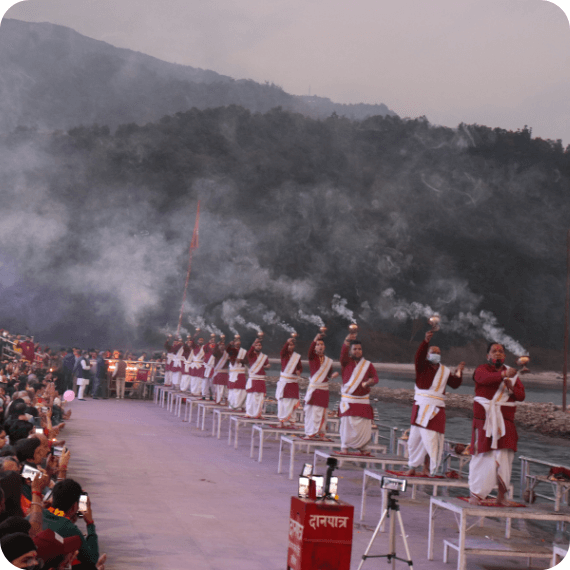
Himalayan Excursion

The Himalayan Excursion is a unique opportunity to explore the majestic Himalayas and immerse yourself in the natural beauty and spiritual energy of the region. The excursion includes visits to sacred sites, temples, and monasteries, as well as guided hikes and nature walks in the Himalayan foothills. You will have the opportunity to connect with the local culture, traditions, and people, and experience the profound sense of peace and tranquility that the Himalayas are known for. Whether you are seeking adventure, relaxation, or spiritual growth, the Himalayan Excursion offers something for everyone. Join us on this unforgettable journey and discover the magic of the Himalayas.

Cultural Program

The Cultural Program is a celebration of the rich and diverse cultural heritage of India. It includes traditional music, dance, and performances by local artists, as well as opportunities for students to participate and showcase their talents. The program aims to foster a deeper appreciation and understanding of Indian culture, history, and traditions through interactive and engaging activities. You will have the chance to learn about different art forms, musical instruments, dance styles, and regional cuisines, as well as participate in cultural workshops and events. The Cultural Program is a fun and interactive way to experience the vibrant and colorful culture of India and create lasting memories with your fellow students.

Certification Ceremony

The Certification Ceremony is the culmination of your 300-hour Yoga Teacher Training Course. It is a special event where you will receive your certificate of completion and celebrate your achievements with your teachers, classmates, and friends. The ceremony is a time to reflect on your journey, express gratitude for the knowledge and experiences gained, and honor the dedication and hard work you have put into your training. You will have the opportunity to share your thoughts, feelings, and insights with your peers, and receive blessings and well-wishes for your future as a certified Yoga teacher. The Certification Ceremony is a joyous and meaningful occasion that marks the beginning of your new chapter as a Yoga teacher and the continuation of your personal and spiritual growth.

Yogic Relaxation Techniques

Relaxation comes naturally as a part of the yoga teacher training course. You can divert your mind from a cluttered life, by meditating. However, relaxation has a broader meaning. There are various conscious forms of relaxation that can help you to rejuvenate your mind. The instant relaxation technique in one in which you tighten and relax the muscles to get into a relaxed state of mind. Quick relaxation techniques are also a part of the program. Shavasana is an important consideration here, as you learn how to guide your yoga practice towards a relaxing session through conscious relaxation techniques. Yoga Nidra is another conscious relaxation technique which can help you to enter a deep state of relaxation. Master the same under the guidance of yoga experts at Hariom Yoga Vidya School.

Meditation, asana practice, and Pranayama go hand-in-hand. Learn about the various techniques as a part of the teacher training course at Rishikesh. You will be learning the various forms of relaxation in the company of individuals who have been practicing yoga for a long time.

Synopsis of Featured Teachings

Point-to-Point Movement and then Stillness

Point-to-Point Tension and Relaxation

Entire-Body Tension and Relaxation

Point-to-Point Relaxation

Selective Tension and Relaxation of Body Parts

More Detailed Point-to-Point Relaxation with Visualization of Pure White Divine Light at the Cardiac Center

Detailed Point-to-Point Relaxation with Spinal Breathing and “So-Ham”

KUNDALINI YOGA

This is the most spintual form of yoga, which you can undertake. The yoga school in Rishikesh will assist you to awaken your Kundalini Energy It is also called as ‘serpent energy and resides at the base of the spine. If untapped, one can lead an entire lifetime, without knowing about the huge possibilities that its awakening can bring about. Through Kundalini Yoga practice, you will be to awaken the dormant energy, which rises Through the chakras aligned along the spine. As the energy moves through the chakras, it clears the chakras of any blockages. The ultimate destination of this energy is the Crown chakra, from where it unites with the male energy, or Purusha. Kundalini energy is a female form, which also assumes the power called Shakti.

Kundalini yoga sessions at Hariom Yoga Vidya School comprise repetitive asana practice, mantra chanting, singing, and breathing exercises You get knowledge of the pads or energy channels as well, as a part of the program. You can experience real spintual awakening, if you stick to a strict regimen while learning Kundalini Yoga.

Introduction to Kundalini

History of Kundalini

Styles of Kundalini

Methods of Awakening

Kriya Yoga

Introduction to Pranas and Nadis

Role of pragas in Awakening and Aura

Nadis and Chakras

Granthis and Kabetras

By the regular practice of Kundalini, it helps in achieving a healthy and flexible body

Pranayama and Koyas eliminate diseases from your mind and body

Kundalini practice enhances your immunity by becoming free from several diseases

High sell-awareness and more receptiveness

Purification of body decreasing toons body decrease

Awareness breath that enhances well-being

Good ale discipline

Real spiritual awakening

Good control over energy that alisists in all kinds of healing

Kriyas

Sahasrara Chakra

Ajna Chakra

Vishuddha Chakга

Anahata Chakга

Manipura Chakra

Svadhishthana Chakra

Muladhara Chakra

Introduction to Man Mandalas

Meditation

Meditation is an ancient practice that goes back thousands of years ago. It comprises of physical as well as mental practices. You can meditate to relax your mind and also remove stress from your life. Meditation has its roots in Hinduism and Buddhism, but it is not a religious practice. You will learn about several different ways to meditate as a part of the 200 hour yoga teacher training course. The different meditation types, which you can learn are mantra meditation, transcendental meditation, moving meditation, mindfulness meditation, body-centred meditation, visualization, and so on. You can use several props to meditate, like singing bowls, malas, and music. Meditation can heal several traumas and physical ailments. You learn to concentrate on the present, when you do meditation properly.

Introduction of Meditation/ Meaning and Things

Mantra Chanting with Meaning and Benefits/Practice

Apa Meditation with Meaning and Benefits/Practice

Sixty-One Energy Points Discussion

OM Meditation with Meaning and Benefits/Practice

The Practice of Osho Dynamic Meditation

Music Meditation Practice

Dancing Meditation Practice

Walking Meditation Practice

Introduction of Tratak Meditation/Stages/Benefits

The Practice of Dot Meditation

The Practice of Yantra Meditation

Practice of Candle Meditation

Hatha Yoga

What is Hatha Yoga?

History of Hatha Yoga

Benefits of Practice Hatha Yoga

Discipline of Practice Hatha Yoga

Perquisites of Practice Hatha Yoga

ASANA (POSTURES)

Students Will Learn About Each Asana (Posture)

Name of the Asana in English & Sanskrit Language

Introduction & History of Asana

Benefits & contraindications of each Asana

How to do this Asana step by step & dynamic way?

Counter Poses

Six steps of doing Asana meditatively

Centring, Entering, Refining, Holding, Come out, & Reflection

Anatomical aspects of the Asana

Therapeutically Approachment

Corrections

Modifications

Contraindications

Reference books

Conclusion

JOINTS AND GLANDS MOVEMENT

SEQUENCE OF THE HATHA YOGA ASANA

Standing Postures

Chandra Namaskara

Sitting Postures

Backward Bending Postures

Forward Bending Postures

Spinal Twisting Postures

Fire Series Postures

Inversion Postures

Surya Nmaskara

Shavasana

NAME OF ALL THE ASANA THAT WE WILL COVER APROX

STANDING POSTURES

Tadasana (Mountain Pose)

Udwahastasana - Upward Salute Pose

Utkatasana (Chair Pose)

Vrksyasana (Tree Pose) Ver1 & 2

Uthita Hasta Padongustasana (Raise Hand to Toes Pose)

Natarajasana (King Dancer Pose) Ver-1

Padohastasana (Hand to feet Pose)

Trikonasana (Triangle Pose)

Virbhadrasana (Warrior Pose)-1

Virbhadrasana (Warrior Pose)-2

Parswakonasana (Angle Pose)

Uthita Parswakonasana (Rise Angle Pose)

Upaveshasana (Squat Pose)

Maalaasana (Garland Pose)

Vajrasana (Kneeling Pose)

Margarisana (Cat Pose)

Simhasana (Lion Pose)

Veerasana (Hero pose)

Dandasana (Stamp Pose)

AkarnaDhanurasana

Badhakonasana (Butterfly Pose)

Sukhasana (Easy Pose)

Swastkasana (Auspicious Pose)

Ardha Padmasana (Half Lotus Pose)

Lolasana (Pendant Pose)

BACKWARD BENDING POSES

Makarasana (Crocodile Pose)

Byaghrasana (Tiger Pose)

Ardhakapotasana (Half Pigeon Pose)

Astanga Namaskarasana (Salutation with Eight Limbs)

Chaturanga Dandasana (Staff Pose)

Bhujangasana (Cobra pose)

Ardha Salbhasana (Half Locust Pose)

Ardha Dhanurasana (Half Bow Pose)

Urdwa Mukha Swanasana (Upward Facing Dog Pose)

Ustrasana (Camel Pose) Ver- 1

Side Plank Pose

Balasana (Child Pose)

Janushirsana - Head of the Knee Pose

Parivrita Janushirasana — Revolved Head of the Knee Pose

Ardha Badha Padma Paschimotanasana - Half bound Lotus intense west stretch

Triyanga Mukhaika PadoPaschimatanasana - Three Limbs Facing Intense West Stretch Pose

Marichyasana Ver – 1 - Pose dedicated to the sage Marichi

Badhakonasana - Butterfly Pose with forwarding bending

Upavistha Konasana – Seated wide Legged straddle

Paschimotanasana- Ver-1 – Seated Forward Bend Pose

Paschimotanasana- Ver-2 – Seated Forward Bend Pose

Purva Tanasana – Upward Plank Pose

FIRE SERIES – ASANAS FOR ABDOMEN

A & P- Akunchana Prasarana, Abdomen Contraction & Release

Single Leg Lift – Hold and Raise – Urdwa Prasarita Eka Padasana

One Knee Bend, Other Leg Lift – Arms resting on the floor

One Knee Bend, Other Leg Lift – Elbows resting on the floor

One Knee Bend, Other Leg Lift – Chick rest on the palm

Urdwa Prasarita Padasana (Upward Rise Legs)

Ananda Balasana (Happy Baby Pose)

Ardha Mastyendrasana – Half Fish Pose

Spinal Twisting In Kneeling Pose

Spinal Twisting In Table Pose

Supta Mastyendrasana – Spinal Twisting in Laying Pose

INVERSION POSES

Setubandhasana (Bridge Pose)

Viparit Karani (Inversion Pose)

Sarvangasana (Shoulder Stand)

Halasana (Plough Pose)

Mastyasana (Fish Pose)

Rocking Chair

Bakasana

Ek Padaasana

Garudasana

Ashtanga Vinyasa

Students will learn Ashtanga Vinyasa Yoga system was reconstructed from a mysterious manuscript written on a bundle of palm leaves, the Yoga Korunta. This collection of verses on HATHA YOGA was discovered in the 1930s by Yoga master and Sanskrit scholar Sri Tirumalai Krishnamacharya and his disciple K. Pattabhi Jois researching Sanskrit texts at a Calcutta university library. The manuscript is dated to be between 500 and 1,500 years old.

Introduction to Ashtanga Vinyasa Yoga

History of Ashtanga Vinyasa Yoga

Awakening the Fire Within

What is Ujai Breath?

How to do Ujai Breath?

Benefits of Ujai Breath

The Breath of Life

Prana

A Chakra Contemplation

Eight Limbs of Yoga and the Practice of K.Pattabhi Jois

How to Do Bandha in Ashtanga

Drishti - Focusing the Attention During Movements

Cleansing and purification

Creating a sacred place

The challenging asanas

proper use of props and yoga instruments

sun salutation a & b (week 1)

standing asana series (week 2)

sitting asana series (week 3)

finishing asana series (week 3)

Teaching Practice & Exam (Week 4)

Surynamaskara A

Samasthiti

Urdvahastasna

Uttanasana A

Uttanasana B

Chaturanga Dandasana

Urdvamukha Svanasana

Adhomukha Svanasana

Uttanasana B

Uttanasana A

Urdvahastasana

Samasthiti

Surynamaskara B

Samasthiti

Utkatasana

Uttanasana A

Uttanasana, B

Chaturanga Dandasana

Urdvamukha Svanasana

Adhomukha Svanasana

Bibhadrasana A

Chaturanga Dandasana

Urdvamukha Svanasana

Adhomukhasvanasana

Birbhadrasana. A

Chaturanga Dandasana

Urdvamukha Svanasana

Adhomukha Svanasana

Uttanasana B

Uttanasana A

Utkatasana

Samathiti

Primary Series - Standing Asanas

Padangusthasana (big toe pose)

Pada Hastasana (hands under feet)

Trikonasana (triangle)

Parivritta Trikonasana (revolved triangle)

Utthita Parsvakonasana (extended side angle )

Parivritta Parsvakonasana (revolved side angle)

Prasarita Padottanasana (wide leg forward fold)

Parsvottonasana (side intense stretch)

Utthita Hasta Padangusthasana (extended hand to big toe)

Ardha Baddha Padma Uttanasana (half bound lotus intense stretch)

Utkatasana (fierce pose)

Virabhadrasana I (warrior l)

Virabhadrasana II (warrior ll)

Dandasana (staff pose)

Paschimottanasana (3 X west intense stretch)

Purvottanasana (east intense stretch)

Ardha Baddha Padma Paschimottanasana bound lotus version of paschimottanasana)

Trianga Mukaikapada Paschimottanasana (1 leg folded back, forward fold)

Janu Sirsasana (head to knee pose) A, B & C

Marichyasana A, B C & D

Navasana (boat pose) X5

Kurmasana (tortoise)

Supta Kurmasana (reclining tortoise) → Jump back

Garbha Pindasana (embryo in the womb - 9 rolls)

Kukkutasana (rooster)

Baddha Konasana (bound angle, upright and fold) Jump back, vinyasa

Upavista Konasana (wide angle seated forward fold) release feet then lift

Supta Konasana (reclining angle pose, open plow) Jump back, lie down

Supta Padangustasana (reclining big toe pose A & B)

Ubhaya Padangustasana (both big toes pose)

Urdvha Mukha Paschimottanasana (upward facing paschimo) Jump back

Setu Bandhasana (bridge building pose) Jump back

Urdvha Dhanurasana (upward bow - Lift 5 times)

Paschimottanasana (intense stretch - 10 breaths.)

Savasana (corpse)

Salamba Sarvangasana (Shoulderstand - 10-25 breaths)

Halasana (plow)

Karnapidasana (ear pressure)

Urdvha Padmasana (upward lotus)

Pindasana in Sarvangasana (embryo)

Matsyasana (fish.)

Uttana Padasana (intense stretched feet or legs)

Sirsasana (headstand A = 10-50 breaths B = 10 breaths)

Balasana (child pose)

Baddha Padmasana (bound lotus and bow - 10 breaths)

Padmasana (lotus - 10 slow breaths)

Tolasana (the uplifting - scales - 10 fierce Ujjaii breaths)

One more vinyasa to Savasana...

Savasana (corpse)

Pranayama

Pranayama is an integral part of Yogic Practices also mentioned in the eight limbs of Patanjali Yoga sutras. Pranayama specifically focuses on increased efficiency and balancing of the breath of an individual. Prana is the vital energy of the body and Yama refers to the expansion and growth. There are many physiological and psychological benefits of doing pranayama practices daily.

Introduction of Pranayama

Meaning of Pranayama

Definition

Breathing experiment

Conclusion

Kapalbhati Pranayama (Frontal Brain Cleaning Breath)

Introduction – Meaning – Benefits – Contradictions

Duration of practice – Demonstration of Kapalabhati Pranayama

Preparation of Kapalabhati for students – Technique One

How to do Kapalabhati Pranayama?

Sheetali Pranayama (Cooling Breath)

Introduction – Meaning – Benefits – Contradictions

Duration of practice – Demonstration of Sheetali Pranayama

Preparation of Sheetali for students

Sheetkari Pranayam (Hishing Breath)

Introduction – Meaning – Benefits – Contradictions

Duration of practice – Demonstration of Sheetkari Pranayama

Preparation of Sheetkari for students

Bhastrika Pranayam (Bellows Breath)

Introduction – Meaning – Benefits – Contradictions – Duration of practice

Demonstration of Bhastrika Pranayama

Preparation of Bhastrika for students

Technique One

How to do Bhastrika Pranayama?

Bhramri Pranayama (Humming Bee Breath)

Introduction – Meaning – Benefits – Contradictions – Duration of practice

Demonstration of Bhramri Pranayama

Preparation of Bhramri for students

Technique One

How to do Bhramri Pranayama?

Ujjayi (Psychic Breath)

Introduction – Meaning – Benefits – Contradictions – Duration of practice

Demonstration of Ujjayi Pranayama

Preparation of Ujjayi for students

Technique One

How to do Ujjayi Pranayama?

Nadishodhana Pranayama (Psychic Network / Chanel Purification)

Introduction – Meaning – Benefits – Contradictions – Duration of practice

Duration of practice

Demonstration of Nadishodhana Pranayama

Preparation of Nadishodhana for students

Technique One

How to do Nadishodhana Pranayama?

Kapalbhati Pranayama 2 (Frontal Brain Cleaning Breath)

Introduction – Meaning – Benefits – Contradictions – Duration of practice

Demonstration of Kapalabhati Pranayama Two

Preparation of Kapalabhati for students

Technique Two

How to do Kapalabhati Pranayama?

Sheetali Pranayama 2 (Cooling Breath)

Introduction – Meaning – Benefits – Contradictions – Duration of practice

Demonstration of Sheetali Pranayama Two

Preparation of Sheetali for students

Technique Two

How to do Sheetali Pranayama?

Sheetkari Pranayam 2 (Hishing Breath)

Introduction – Meaning – Benefits – Contradictions – Duration of practice

Demonstration of Sheetkari Pranayama Two

Preparation of Sheetkari for students

Technique Two

How to do Sheetkari Pranayama?

Bhastrika Pranayam (Bellows Breath) 2 & 3

Introduction – Meaning – Benefits – Contradictions – Duration of practice

Demonstration of Bhastrika Pranayama Two & Three

Preparation of Bhastrika for students

Techniques Two & Three

How to do Bhastrika Pranayama?

Bhramri Pranayama 2 & 3 (Humming Bee Breath)

Introduction – Meaning – Benefits – Contradictions – Duration of practice

Demonstration of Bhramri Pranayama Two & Three

Preparation of Bhramri for students

Techniques Two & Three

How to do Bhramri Pranayama?

Ujjayi (Psychic Breath) 2 & 3

Introduction – Meaning – Benefits – Contradictions – Duration of practice

Demonstration of Ujjayi Pranayama Two & Three

Preparation of Ujjayi for students

Techniques Two & Three

How to do Ujjayi Pranayama?

Nadishodhana Pranayama 2 & 3 (Psychic Network / Chanel Purification)

Introduction – Meaning – Benefits – Contradictions – Duration of practice

Demonstration of Nadishodhana Pranayama Two & Three

Preparation of Nadishodhana for students

Techniques Two & Three

How to do Nadishodhana Pranayama?

Satkarma

The Shatkarmas are also called Shatkriyas. It is a set of body purification techniques, with the help of which, you can cleanse your system internally. In order to move ahead in your yogic journey, you need to have a strong body, as it serves as the foundation for yoga sadhana. Shatkarmas consists of six cleansing techniques, Basti, Nauli, Dhauti, Trataka, Neti, and Kapalbhati. Each of these kriyas targets specific organs in the alimentary canal. Apart from just strengthening the body, it also leads to the balance of the Tridoshas. It also helps in the flow of Prana through the Nadis. Kapalbhati is not only a kriya, but it is also a Pranayama. So, you get to indulge in two practices, rolled into one. It is a forceful breathing practice, that can aid in alleviating stress from your brain. You can also practice Neti, very easily. However, a guide will initiate the process, for you to feel comfortable later on.

Six Steps of Cleansing – Subject focus on Jala Neti & Sutra Neti

Introduction to Six Types of Satkarma

Meaning of Pranayama

Contradictions

Benefits

Introduction to the Practical Jala Neti

Contradictions

Benefits

Preparation of Jala Neti

Demonstration of Jala Neti by Teacher

Technique

Practice with students

Introduction to the Practical Sutra Neti

Contradictions

Benefits

Preparation of Sutra Neti

Demonstration of Sutra Neti by Teacher

Technique

Practice with students

Bandhas

Bandha is a lock. You can lock yourself in certain postures, to increase energy flow to specific organs. You can also call it the energy lock. There are four main bandhas, that the yogis practiced from early on. They include Mula, Uddiyana, Jalandhara and Maha Bandha. The Maha bandha is a combination of the three bandhas. Moreover, it is the highest form of body lock. Practicing bandhas involves muscular contractions. The Mula bandha is especially useful in awakening the Kundalini energy. The Uddiyana Bandha energizes the Heart Chakra and the abdominal organs. Likewise, the Jalandhara Bandha energizes the thyroid and parathyroid, along with respiratory organs. You can also practice the three together, starting from the throat. Bandhas help to lock and release energies from various organs, and increase blood as well as energy flow. You also learn to observe the performance later.

Jalandhara Bandha

Introduction – Meaning – Benefits

Contradictions – Duration of practice

Preparation

Demonstration

Technique Practice with students

Udiyana Bandha

Introduction – Meaning – Benefits

Contradictions – Duration of practice

Preparation

Demonstration

Technique Practice with students

Mula Bandha

Introduction – Meaning – Benefits

Contradictions – Duration of practice

Preparation

Demonstration

Technique Practice with students

Maha Bandha

Introduction – Meaning – Benefits

Contradictions – Duration of practice

Preparation

Demonstration

Technique Practice with students

Mudra - Gesture

A Mudra is a gesture or seal in yoga. You may come across mudras in dance forms as well, however, they are much different. When you practice mudras, you can channelize Prana through the body. There are various kinds of mudras, like Hasta mudras, Kaya mudras, and Chitta Mudras. Hasta mudras are the most important in Yoga practice. According to the Science, Ayurveda, there are five elements or Mahabhutas. Fire, earth, air, water, and ether. Each finger represents one maha bhuta. You can manipulate each element for the betterment of your body and health, and increase or decrease the flow of prana to specific body parts. One of the most commonly used mudras, is Gyan mudra. You can practice it while performing the asanas. It helps in obtaining knowledge and greater wisdom from the universal body. You can practice mudras anywhere while sitting in your home or workplace, so that is an added benefit of mudras. Get the maximum benefits today.

Jnana Mudra (Psychic Gesture Of Knowledge)

Introduction – Benefits – Duration

Preparation – Demonstration

Technique Practice with students

Chin Mudra (Psychic Gesture Of Consciousness)

Introduction – Benefits – Duration

Preparation – Demonstration

Technique Practice with students

Bhairava Mudra – Shiva Mudra

Introduction – Benefits – Duration

Preparation – Demonstration

Technique Practice with students

Hridaya Mudra – Heart Gesture

Introduction – Benefits – Duration

Preparation – Demonstration

Technique Practice with students

Alignment, Correction & Adjustment

Alignment and adjustment are fundamental concepts in the practice of Yoga, both for practitioners and instructors. Here’s a breakdown of each:

What is alignment in Yoga?

Alignment refers to the precise positioning of the body in Yoga poses (Asanas) to achieve optimal physical and energetic benefits while minimizing the risk of injury. It involves the correct placement of various body parts, such as the feet, legs, pelvis, spine, arms, and head, in relation to one another and to the ground. Proper alignment ensures that the body is in a balanced and stable position, allowing for the efficient flow of energy (Prana) throughout the body. It also helps to create space within the joints, improve posture, enhance flexibility, and build strength. Alignment principles may vary depending on the specific Yoga style or tradition but generally emphasize alignment with the natural curves of the spine and engagement of relevant muscle groups.

What is Adjustment in Yoga?

Adjustment, also known as hands-on adjustment or assists, involves the gentle physical manipulation of a student’s body by the instructor to help them refine their alignment, deepen their stretch, or experience a pose more fully. Adjustments can provide valuable feedback and support to students, helping them overcome physical limitations, release tension, and access deeper levels of awareness in their practice. Adjustments are typically performed with sensitivity and mindfulness, respecting the individual’s body and boundaries. They may include subtle corrections to alignment, gentle pressure to encourage relaxation or engagement, or supportive touch to guide the student into a safer or more effective expression of a pose.

Roll of alignment and adjustment in Yoga concept

Physical Alignment in Yoga

The Role of Adjustment

Benefits Beyond the Physical

Alignment and Adjustment in Spiritual Practice

The Role of Alignment and Adjustment in Yoga: A Comprehensive Overview

Understanding Alignment in Yoga

Components of Alignment

The Role of Adjustment in Yoga

Benefits of Adjustment

Challenges and Considerations in Adjustment

Integrating Alignment and Adjustment in Yoga Practice

Alignment and Adjustment in Yoga Asanas for Students' Homework

Teaching Methodology

Teaching is an art and it can be developed through practice and knowledge.

Teach with sincerity and compassion for yourself first and then your students will benefit as well.

Teach from the heart, never from the mind.

Respect that divine energy has honored you to be a teacher to help people.

Changing peoples’ lives into positivity by teaching them yoga and meditation; as a teacher, your inner journey and happiness will grow.

Respect the students, be friendly and professional but at the same time strong inside not to entertain any negativity while teaching yoga.

Surrender to life and divine energy; you will feel guided by the unknown force.

Enjoy teaching mindfully with joy and happiness.

Be present, aware, and energetic all the time during or after the class.

Be regular for your own self-practice of yoga and meditation; you owe it to yourself and your students.

Be aware and sensitive to students’ poses, alignment, breathing pattern, group energy, and allow the teaching and response to happen accordingly and spontaneously.

Pay equal attention to the students but focus more attention on beginners until they catch up with the regular class.

Welcome the students – greeting the students makes them comfortable and feel welcomed.

Start the class on time and end on time. This honors the student since most students have limited time and have sacrificed to get to the class.

Always ask if the students have any physical problems and injuries.

Start the class with some chanting, prayer, or a short meditation.

The voice of the teacher should be audible to everyone and the volume should be according to the group.

Give clear instructions.

Make adjustments verbally and physically.

Appreciate and motivate the students during the class.

Move around the class effectively to see all the students and to check their alignment.

Yoga Philosophy

Along with the practical applications of yoga, you need to fall back at times, on the foundation of yoga. That is what Yoga Philosophy is all about. The main philosophy of yoga states that the mind, body, and soul are all one. You need to know about the philosophical ideas, to be able to utilize the various practices under the umbrella of yoga. In yoga, you cannot choose one or leave out another aspect. The entire practice has to be carried out in totality. Spiritual ignorance can only create suffering, and nothing more than that. So, you need to amass the wealth of knowledge that the philosophy of yoga offers. You can call it the blueprint of your yogic practice. It enlists what all you should follow, and what you should not. The main principle of yoga is that the mind, body, and soul are one. You cannot separate one from the other. It also allows the concept of God. It is amongst the six orthodox schools.

Yoga Sutra – discipline, types of thoughts, God

7 Chakras – Muladhara, Swadhisthana, Manipur, Anahata, Visudha, Anjya, Sahasrara

Three types of gunas – Satva, Rajas & Tamas

Three types of body – Sthula, Sukhma & Karana

Types of Yoga (Hatha, Karma, Bhakti, Astanga)

What is yoga? Introduction of Yoga

What is philosophy?

What are the obstacles to yoga?

What are the causes of pain?

What are the eight limbs of Yoga?

Exercises

Exam

Mantra Chanting

Mantras are an important part of yoga practice. They may have religious connotations, but anyone can practice them. They comprise of specific syllables, words, or phrases, picked up from Sanskrit, the oldest language of the Vedas. You can practice mantra chanting to resonate with the universe. When you repeat a set of syllables, words or phrases repeatedly, they align with the universe’s vibrations. They give the practitioners, the perfect scope to manifest. They are also practiced in abundance in Tantra. You can gain a proper direction and focus in your life, if you practice mantra chanting daily. Learn about the most important ones like Aum, Gayatri Mantra, Om Namah Shivaay, and so on. The opening chant and closing chant in Hatha Yoga also carry a lot of significance. Mantras can help you to get rid of all sorts of tensions and physical ailments, by diverting your mind towards a higher realm.

What is Mantra?

The word “mantra” is derived from two words. The first word is “Manas” or “mind,” which relates to the “man” syllable means “To think”, the second word is a suffix “Tra” which means instruments, tools, protect, or free from. Therefore, the word Mantra in its most literal sense means “to free from the mind Mantra is a tool used by the Mind to be free from all kinds of distractions of the Mind field.

Benefits of Mantra Chanting

Hatha Yoga Manra – Yogena Schitasya Padena Vacham

Om Asato Maa Sad-Gamaya, Tamaso Maa Om Saha Na bhavatu, Saha Nau Bhunaktu

Aum mantra – Aum…Aum..Aum

Gayatri mantra – Om Bhur Bhubah Swaha

Ganesh mantra – Om Vakratunda mahaakaaya

Guru Mantra – Guru Brahma Guru Visnu

Astanga Vinyas Mantra

Avahu Purusa Karam, shankha Vande Gurunam Charanara Vinde

Astanga Vinyasa Closing Mantra

Swasti prajaabhyah paripala

Bhajan or Spiritual Songs

A Bhajan is basically a devotional song, that you sing to glorify any particular deity or the lord in general. It is usually the ancient scriptures, from where it originates. You can sing it straightforward, or recite it like a mantra, or add some melody. Bhajan is related to Bhakti. You will learn of different styles of Bhakti songs from different parts of India. You may hear them coming from various Hindi complicated dialects, and some using various day-to-day occurrence in in simple words and forms. You will be able to get rid of mental issues, once you make such devotional hymns a part of your practice. . This kind of devotional singing is very popular at Indian pujas and rituals. Slowly the wet is also opening up to its possibilities, as it tends to calm the mind. It is a spiritual practice of sorts, where everyone participates in one go. You can also start doing this practice alone, from home.

Shiva Shiva Shambhu, Shiva Shiva Shambhu, Mahadeva Shambhu, Mahadeva Shambhu, Shiva Shiva Shambhu.

Govinda Govinda Govinda Bhaja Gopala, Gopala Gopala Gopala Bhaja Gopala.

Govinda Bol Hari Gopal Bol, Radha Ramana Hari Govinda Bol.

Hare Krishna Hare Krishna, Krishna Krishna Hare Hare, Hare Rama Hare Rama, Rama Rama Hare Hare.

Sita Ram Sita Ram, Sita Ram Jai Sita Ram, Radhe Shyam Radhe Shyam, Radhe Shyam Jai Radhe Shyam.

Raghupati Raghava Rajaram, Patita Pavana Sitaram, Ishwar Allah Tero Nam, Sab Ko Sanmati De Bhagavan.

Natavara Nagara Nanda Bhajore Mana Govinda, Natavara Nagara Nanda ... Karo Nama Roj Prema se, Mana Ko Dho-Nitya Niyama se, Nirmala Mana Prabhu Ko Pasanda Hei, Mat Karo Mano Ko Ganda, Bhajore Mana Govinda.

Jai Jai Radha Ramana Hari Bol, Jai Jai Radha Ramana Hari Bol.
Himalayan Excursion

The Himalayan Excursion is a unique opportunity to explore the majestic Himalayas and immerse yourself in the natural beauty and spiritual energy of the region. The excursion includes visits to sacred sites, temples, and monasteries, as well as guided hikes and nature walks in the Himalayan foothills. You will have the opportunity to connect with the local culture, traditions, and people, and experience the profound sense of peace and tranquility that the Himalayas are known for. Whether you are seeking adventure, relaxation, or spiritual growth, the Himalayan Excursion offers something for everyone. Join us on this unforgettable journey and discover the magic of the Himalayas.

Cultural Program

The Cultural Program is a celebration of the rich and diverse cultural heritage of India. It includes traditional music, dance, and performances by local artists, as well as opportunities for students to participate and showcase their talents. The program aims to foster a deeper appreciation and understanding of Indian culture, history, and traditions through interactive and engaging activities. You will have the chance to learn about different art forms, musical instruments, dance styles, and regional cuisines, as well as participate in cultural workshops and events. The Cultural Program is a fun and interactive way to experience the vibrant and colorful culture of India and create lasting memories with your fellow students.

Certification Ceremony

The Certification Ceremony is the culmination of your 300-hour Yoga Teacher Training Course. It is a special event where you will receive your certificate of completion and celebrate your achievements with your teachers, classmates, and friends. The ceremony is a time to reflect on your journey, express gratitude for the knowledge and experiences gained, and honor the dedication and hard work you have put into your training. You will have the opportunity to share your thoughts, feelings, and insights with your peers, and receive blessings and well-wishes for your future as a certified Yoga teacher. The Certification Ceremony is a joyous and meaningful occasion that marks the beginning of your new chapter as a Yoga teacher and the continuation of your personal and spiritual growth.

Timeline - 27Days of 200Hour Yoga Teacher Training Course

  • Arrival & Rest Enough
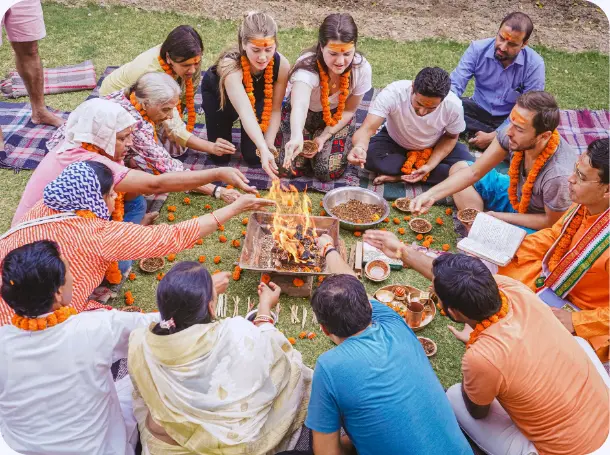
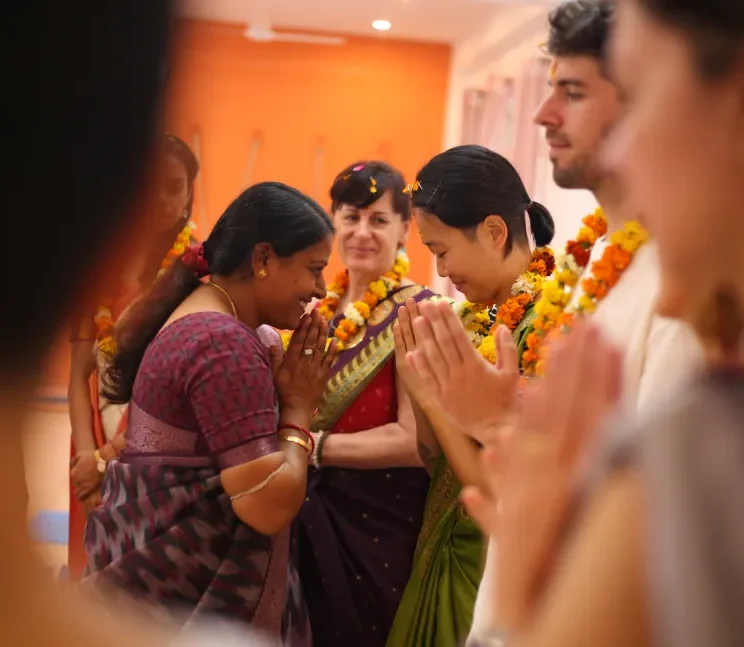
  • Day 2 Orientation, Flower Ceremony
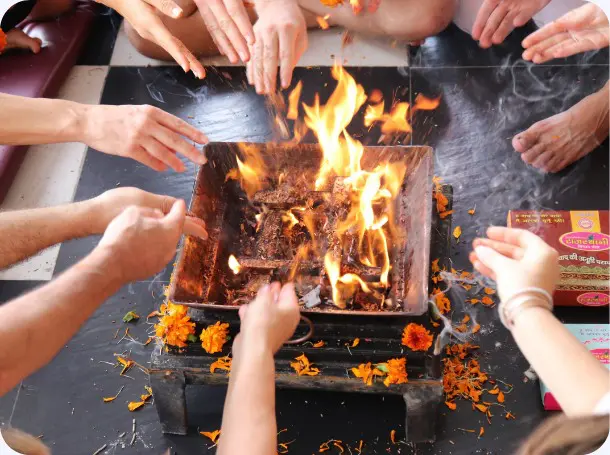
  • Fire Ceremony & Study Materials distribution
  • Introduction to the yogic lifestyle and discipline
  • Basic asana practice with correct alignment and safety
  • Breath awareness and foundational pranayama
  • Understanding body awareness and posture stability
  • Traditional Hatha Yoga asana practice and refinement
  • Pranayama techniques for energy regulation and focus
  • Applied anatomy & physiology for safe teaching
  • By Kundalini Yoga awakening inner energy, activating chakras
  • By Yin Yoga practice emotional balance through stillness
  • Study of Yoga Philosophy (Yoga Sutras & yogic principles)
  • Meditation techniques and mental discipline
  • Development of strength, flexibility, and inner awareness
  • Teaching methodology and class structuring
  • Hands-on adjustments and alignment corrections
  • Voice modulation, cueing, and communication skills
  • Practice teaching sessions with feedback
  • Understanding student needs, limitations, and safety
  • Building confidence to guide a full yoga class
  • Teaching assessments and practical exams
  • Self-practice, reflection, and integration of learning
  • Written and oral evaluations
  • One-to-one guidance and final refinements
  • Preparing for independent teaching
  • Closing ceremony blessings with sacred Mantra Chanting
  • Enjoying Indian Cultural Program
  • Experience sharing
  • Certificate distribution of Yoga Alliance recognized
  • Reflection, gratitude, and group sharing
  • Completion of a Transformational Yogic journey

What do you gain after course ?

After completing a 200-Hour Yttc, you receive much more than a Certificate

Exciting Free Add-Ons With Your 200 Hour YTT in Rishikesh

Bonus Classes, Workshops & Ceremonies Included

Yoga Kit, Ayurvedic Meals & Community Events – All Free!

Best Yoga Teachers at Hariom Yoga Vidya School

At Hariom Yoga Vidya School, our teachers are dedicated practitioners who embody yoga as a way of life. With years of teaching experience and deep roots in traditional yogic knowledge, they guide students with clarity, patience, and sincerity. Each teacher brings a balanced approach, combining classical wisdom with practical understanding, ensuring learning is safe, meaningful, and transformative. Beyond techniques, they inspire discipline, self- awareness, and inner growth, offering personal guidance throughout the journey. Their commitment to authentic teaching and compassionate support creates a nurturing environment where students feel confident, inspired, and truly connected to the deeper essence of yoga.

Yogi Pramod Sahoo

Founder

Yogi Kushagra

Head Teacher

Yogi Lakhi Ram

Meditation, Pranayama

Yogi Devendra

Ashtanga, Vinyasa, Alignment

Yogi Abhishek Negi

Ashtanga Vinyasa Advanced

Yogini Pooja

Ashtanga Vinyasa Advanced

Kushal Bisht

Yoga Philosophy

Naveen Singh Mingwal

Ashtanga, Alignment

Yogi Ganesh Negi

Hatha Yoga

Kalpendra Chauhan Ji

Yoga, Spirituality

Shubham Chauhan

Hatha Yoga, Prāṇāyāma, Meditation, Alignment

Barinder pal Singh

Hatha Yoga, Ashtanga Yoga

Archana Bisht

Yin Yoga, Ayurveda & Mantra Chanting

Key Benefits of Our 200-Hour Yoga Teacher Training Course in Rishikesh

Get a Globally Recognized Yoga Certification

Earn a globally recognized Yoga Alliance certificate, empowering you to register with any yoga federation worldwide and elevate your teaching credentials.
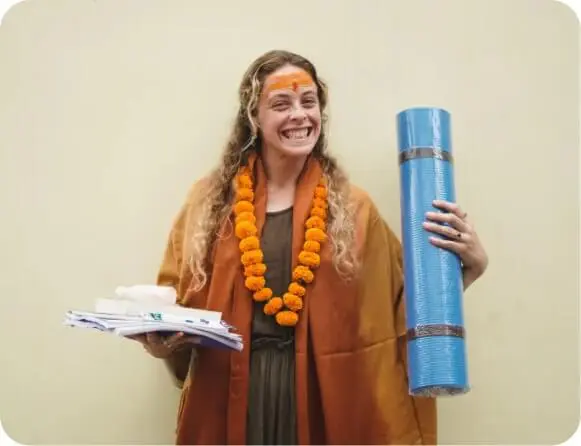
Global certification of our yoga teacher training in Rishikesh

Become Eligible to Teach Yoga Worldwide

With this certification, you're qualified to teach yoga anywhere across the globe or even establish your own yoga school.

Connect with an International Yoga Community

Connect with a diverse network of like-minded individuals, fostering both personal and professional growth through shared experiences and support.

Build Confidence & Communication Through Teaching Labs

Our course uniquely emphasizes the development of soft skills through observation classes designed to enhance your communication abilities—essential for successful teaching and leadership.

Deep Personal Transformation Through Yogic Practice

Dive into a journey of self-discovery and inner peace. This course facilitates deep explorations into mindfulness, meditation, and yoga’s spiritual aspects, enabling profound physical, mental, and spiritual transformation.
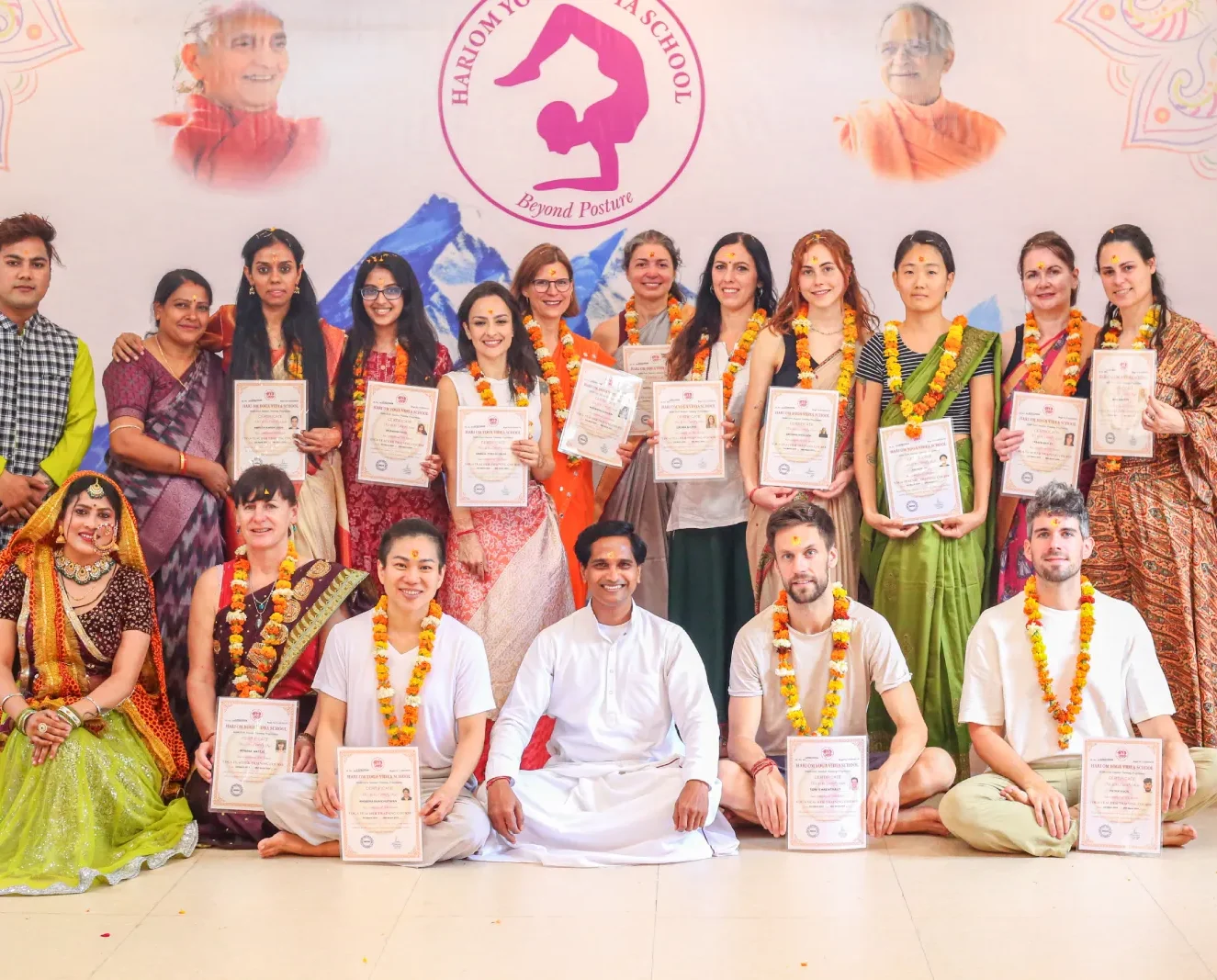
Image representing our yoga teacher training in Rishikesh India – Personal and Professional Growth

Personal and Professional Growth as a Yoga Teacher

This comprehensive training not only deepens your own yoga practice but also enhances your self-awareness, setting a foundation for a fulfilling and impactful career in yoga.

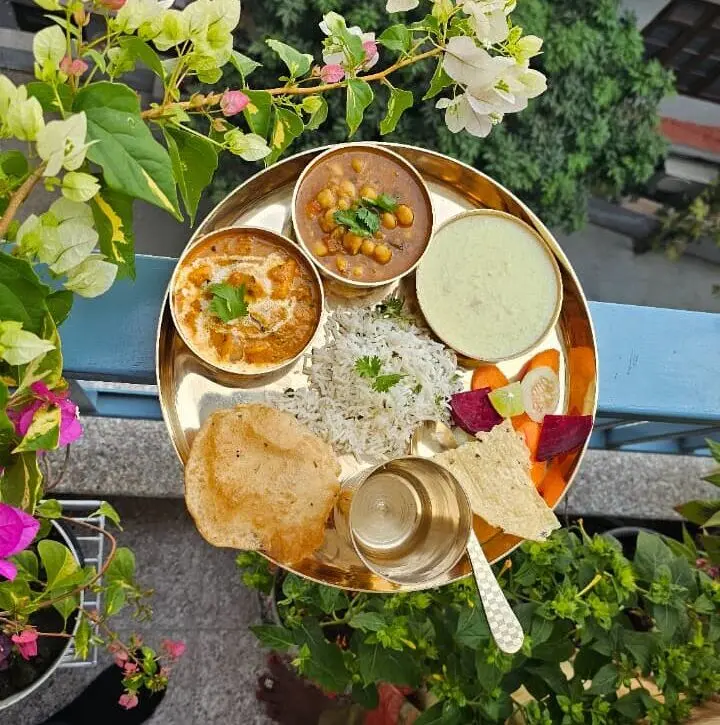
Food - The Sattvic Diet

Sattvic Meals to Nourish Your Mind and Body

Our yoga school serves three nourishing vegetarian meals daily, prepared with fresh, locally-sourced ingredients. These Sattvic meals support your yoga practice by promoting health and clarity through a balanced diet of vegetables, grains, fruits, and herbal teas.

We encourage mindfulness by starting meals with a moment of silence to foster gratitude and calm. The serene dining hall maintains a peaceful atmosphere with minimal conversation. If you need to skip a meal, please inform the staff three hours in advance. Embrace the Sattvic diet to align with yoga’s principles and enhance your well-being. This harmonious atmosphere is carefully designed to help students fully immerse themselves in the teachings of yoga, fostering a deeper connection with their practice.

Comfortable Accommodations at Our Yoga School in Rishikesh

Our retreat center offers comfortable and serene accommodations to ensure a peaceful and rejuvenating experience. We provide a variety of options to suit your needs and preferences.

27 Days Accommodation

2nd - 28th of each month

9 hours daily classes

Small Size Batch 15 Max

Yoga Alliance Certificate

Study Materials

Fire Ceremony

Free Yoga Equipment

3 Daily Nutritious Meals

Yoga Kitbag

Classes at Ganga Beach

Naturally ventilated, soothing spaces

Private Washroom

Cultural Program

Free WiFi

HImalayan Excursion

Ganga Arti

Enroll Now in the Best 200 Hour Yoga Teacher Training Course in Rishikesh

Rated 4.9 Stars by 3000+ Students

Dates

Private

Double sharing

Seats left

Book your spot

2-28 December, 2025

$ 1499 1699

$ 1299 1399

5 Seats Left

2-28 January, 2026

$ 1499 1699

$ 1299 1399

7 Seats Left

2-28 February, 2026

$ 1499 1699

$ 1299 1399

11 Seats Left

2-28 March, 2026

$ 1499 1699

$ 1299 1399

13 Seats Left

2-28 April, 2026

$ 1499 1699

$ 1299 1399

11 Seats Left

2-28 May, 2026

$ 1499 1699

$ 1299 1399

15 Seats Left

2-28 June, 2026

$ 1499 1699

$ 1299 1399

16 Seats Left

2-28 July, 2026

$ 1499 1699

$ 1299 1399

14 Seats Left

2-28 August, 2026

$ 1499 1699

$ 1299 1399

15 Seats Left

2-28 September, 2026

$ 1499 1699

$ 1299 1399

15 Seats Left

2-28 October, 2026

$ 1499 1699

$ 1299 1399

16 Seats Left

2-28 November, 2026

$ 1499 1699

$ 1299 1399

16 Seats Left

2-28 December, 2026

$ 1499 1699

$ 1299 1399

16 Seats Left

Dates

Private

Double sharing

Book your spot

2-28 December, 2025

$ 1499 1699

$ 1299 1399

2-28 January, 2026

$ 1499 1699

$ 1299 1399

2-28 February, 2026

$ 1499 1699

$ 1299 1399

2-28 March, 2026

$ 1499 1699

$ 1299 1399

2-28 April, 2026

$ 1499 1699

$ 1299 1399

2-28 May, 2026

$ 1499 1699

$ 1299 1399

2-28 June, 2026

$ 1499 1699

$ 1299 1399

2-28 July, 2026

$ 1499 1699

$ 1299 1399

2-28 August, 2026

$ 1499 1699

$ 1299 1399

2-28 September, 2026

$ 1499 1699

$ 1299 1399

2-28 October, 2026

$ 1499 1699

$ 1299 1399

2-28 November, 2026

$ 1499 1699

$ 1299 1399

2-28 December, 2026

$ 1499 1699

$ 1299 1399

Watch Our Stories Unfold

Inspiring Stories from Our Students

200 Hour Yoga Teacher Training Reviews from Students

Rated 4.9 Stars by 3000+ Students

Your Path to Yoga
Mastery Starts Here.

Experience Real-Time Learning from the Heart of Rishikesh

Begin Your Journey to
Mastery with Our 200
Hour YTT in Rishikesh

Experience Real-Time Learning from the Heart of Rishikesh

Ready to Transform Your Life?

Take the first step towards a healthier, happier you.

Visual Glimpse: Our 200 Hour Yoga TTC in Action

Experience the serenity & transformation of yoga.

Code Of Conduct For Students

Refund Policy Of Hariom Yoga Vidya School

Travel Guidelines to India

How to Reach Us?

Rishikesh is well-connected to all the cities, so air travel is a convenient option. When you reach the Delhi International Airport, take a domestic flight to Jolly Grant International Airport (Dehradun) from there, you can book a taxi or inform us about your arrival, and we can arrange a cab for you from Dehradun Airport to our school in Rishikesh.

If you’re up for a road adventure, hiring a taxi from Delhi International Airport to Rishikesh is a scenic option. The 5-6 hour journey to our school is a perfect opportunity to enjoy Indian hospitality and try the favourite snacks available at the highway eating joints. The road to Rishikesh is a journey to remember. Let us know, and our team will guide you further on this.

Indian Railways is also a great choice for an exciting journey. Enjoy fantastic sightseeing from Delhi to Haridwar and get off at Haridwar Railway Station which is Yog Nagari Rishikesh Railway Station, which is just 25 km from Rishikesh; from there, you can hire a taxi, or a Tuk-Tuk as the school is only 10-12 km away.

Frequently Asked Questions

Get all your questions answered here

Yes! A 200-hour yoga teacher training course in Rishikesh provides all the foundational knowledge required to start your teaching journey.
Absolutely! It’s an investment in your personal and professional growth, opening doors to a fulfilling career and a deeper connection to yourself.
The cost varies depending on accommodation type and any discounts. Reach out to us for detailed pricing.
The program typically spans 24–28 days, including immersive training sessions and free time for exploration.

We are here to help you

Feel free to contact us. We will get back to you as soon as possible. We are available 24/7.

Enquiry Now

Enquiry Now